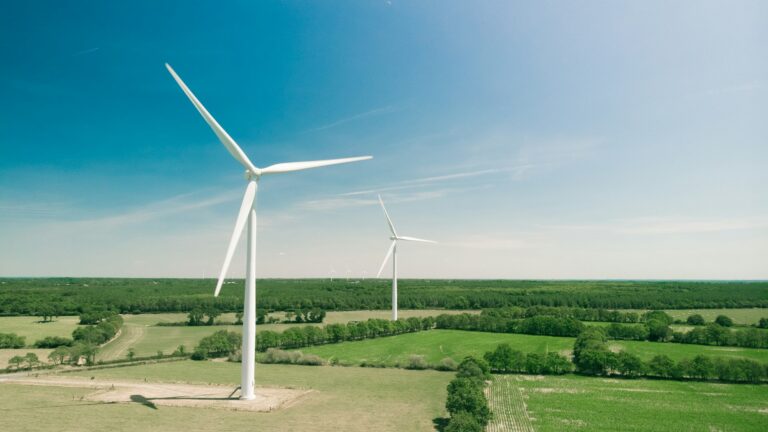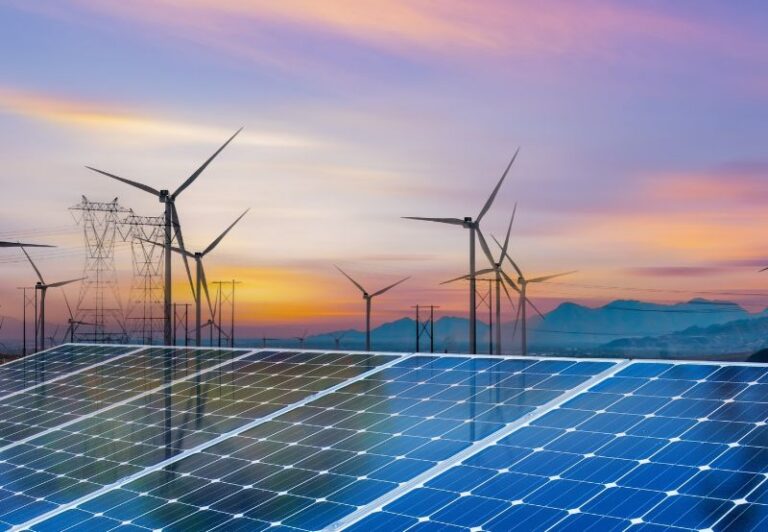
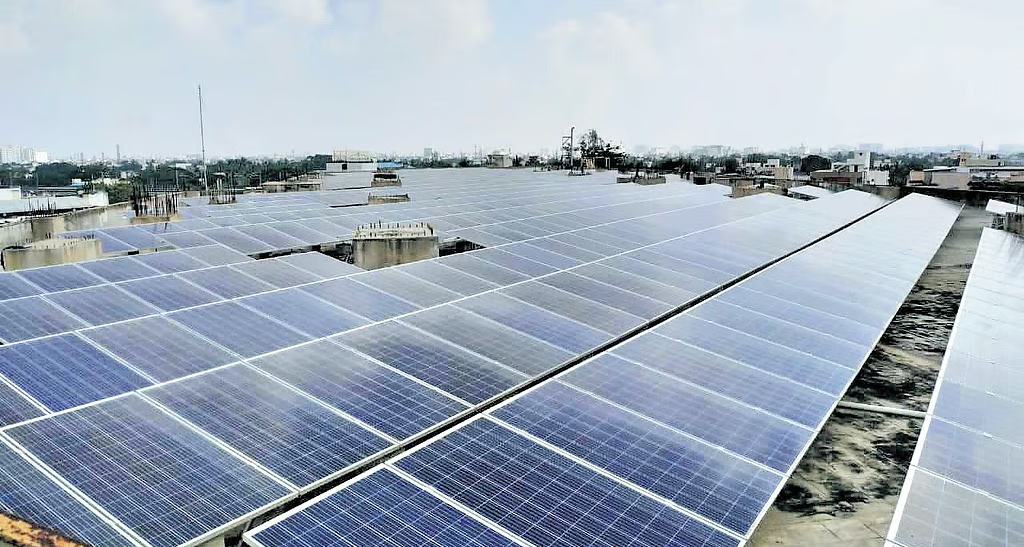
The Odisha government has proposed a dedicated land leasing and aggregation framework to address land availability challenges and accelerate renewable energy investments in the state. The draft Renewable Energy Land Lease Policy and Private Land Aggregation Framework, 2026, aims to make land access easier for developers while providing landowners with a structured rental mechanism.
The proposal comes as Odisha targets 10.96 gigawatts (GW) of renewable energy capacity by 2030, requiring approximately 19,620 acres of land. The state currently generates around 6.2 GW of electricity, with coal-based thermal power accounting for nearly 86% of its generation.
Minimum Annual Rent of ₹25,000 per Acre
Under the proposed framework, private landowners would receive a minimum annual lease rental of ₹25,000 per acre or 85% of the applicable lease rental, whichever is higher.
The rental amount would increase by 5% every two years, providing landowners with a mechanism for periodic income growth over the lease period.
The draft policy proposes different lease durations depending on the type of renewable energy project:
- Wind and solar projects: 30 years
- Small hydroelectric projects: 40 years
- Pumped-storage projects: 99 years
These long-term arrangements are intended to provide developers with greater certainty over land access and support investments in renewable energy infrastructure.
Land Aggregation Framework to Address Fragmented Plots
A key feature of the proposed policy is a dedicated mechanism for aggregating fragmented private land parcels.
Landowners interested in leasing their properties can submit letters of intent. These parcels would first be screened by land aggregation agencies before being verified by a designated facilitation agency.
The framework is intended to simplify the process of assembling sufficiently large land parcels for renewable energy projects, reducing one of the major administrative and logistical challenges faced by developers.
Tax and Land-Conversion Incentives
The draft policy also proposes full exemptions from stamp duty and land-conversion charges for eligible renewable energy projects.
Additionally, land used for wind and solar installations would receive deemed non-agricultural status, potentially reducing procedural requirements associated with converting land for project development.
Hybrid renewable energy projects would receive priority under the proposed framework, reflecting the state’s interest in supporting multiple clean-energy technologies and improving the utilisation of renewable power infrastructure.
Supporting Odisha’s 2030 Renewable Energy Target
Odisha’s renewable energy ambitions require significant expansion in generation capacity and supporting infrastructure. The proposed land framework is intended to create a more predictable environment for investors while helping the state address land-related obstacles.
The policy also comes amid a wider push to attract clean-energy investments across solar, wind, hydroelectric power, pumped storage and emerging technologies.
At the Bharat Renewable Energy Summit and Expo 2026 earlier this month, Odisha attracted investment proposals worth approximately ₹1.17 lakh crore through agreements covering projects with a proposed capacity addition of around 11.74 GW.
The state government has now invited feedback from stakeholders on the draft land policy before its finalisation. If implemented, the framework could help streamline land access, improve investor confidence and support Odisha’s broader transition towards renewable energy.
Disclaimer: This report has been editorially prepared using publicly available information and official statements. The land lease framework is a draft proposal and remains subject to stakeholder feedback and government approval. Readers are advised to refer to official announcements for further details.
Author

About the Author