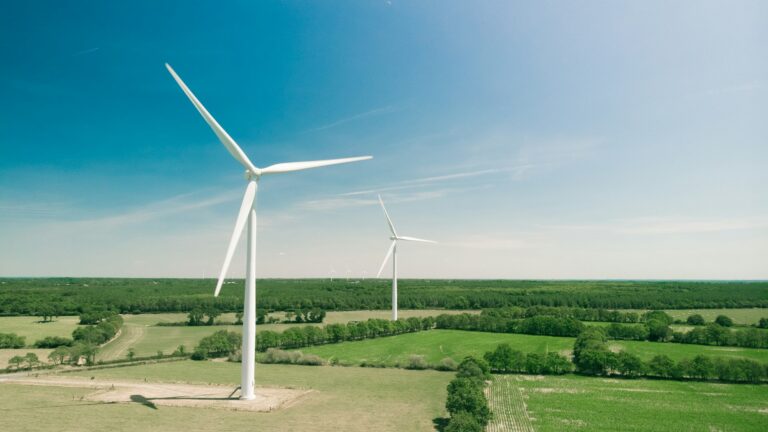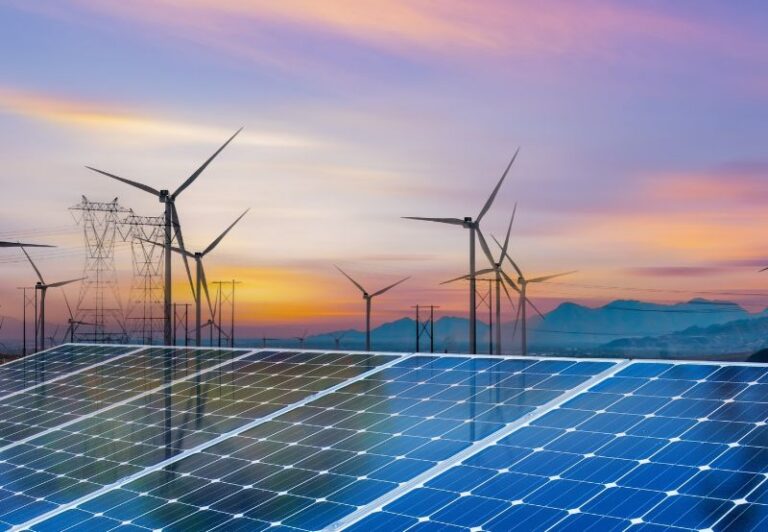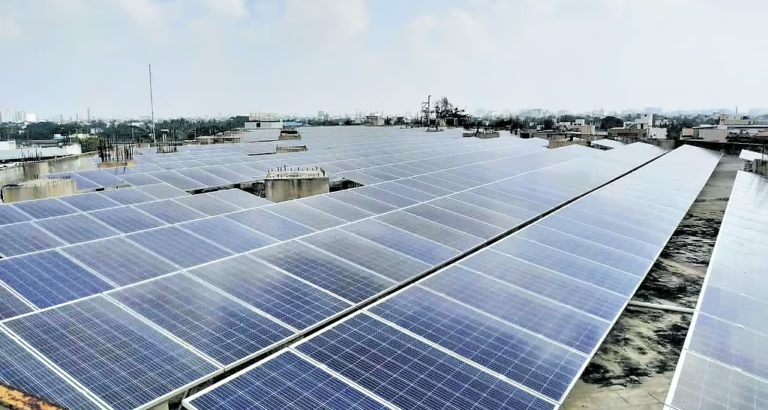
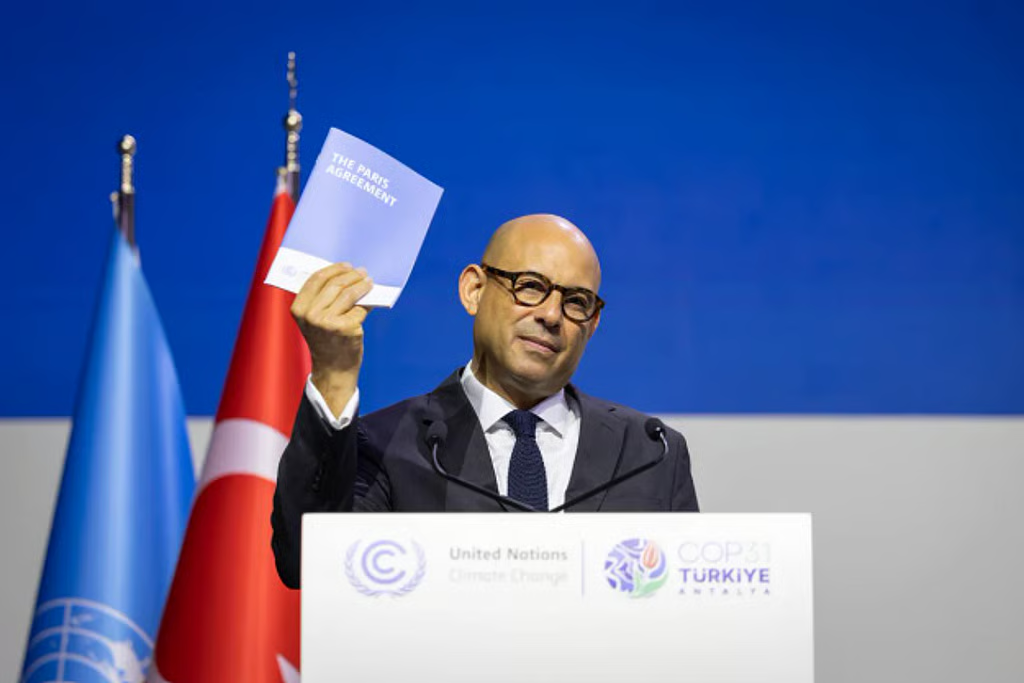
United Nations climate chief Simon Stiell has endorsed Prime Minister Narendra Modi’s remarks on how investments in clean energy helped India withstand the impact of the global oil price shock, describing his assessment as “very salient”. Stiell also welcomed India’s proposed Green Energy Corridor, calling it a major step towards strengthening the country’s energy infrastructure and economic resilience.
Speaking in a written interview from Antalya, Türkiye, where the 31st United Nations Climate Change Conference (COP31) is underway, Stiell highlighted the economic risks associated with dependence on imported fossil fuels. He said rising fuel import costs are contributing to inflation across economies, making the transition towards renewable energy and electrification increasingly important.
Clean Energy Can Protect Economies from Fuel Price Volatility
Stiell said clean energy investments can reduce countries’ exposure to unpredictable international fossil fuel markets and help protect households and businesses from rising energy costs.
He backed Modi’s assessment that India’s investments in clean energy infrastructure over the past decade had helped cushion the economy against the global oil crisis.
Addressing the Bharat Renewable Energy Summit and Expo 2026 on November 2, Modi had said India could have faced a much more severe economic crisis if it had not invested in clean energy and developed supporting systems over the preceding decade.
According to Stiell, accelerating the adoption of renewable energy and electrification can help countries reduce energy bills, improve energy security and lower pollution.
Green Energy Corridor to Strengthen Grid and Storage Infrastructure
Stiell welcomed India’s Green Energy Corridor announcement, which focuses on strengthening electricity transmission networks and battery storage infrastructure.
He described the initiative as a major step forward that could deliver significant economic benefits for the country.
Stronger electricity grids and energy storage systems are important for integrating larger volumes of renewable power into the electricity network. They can also help manage fluctuations in solar and wind generation and improve the reliability of electricity supply.
The UN climate chief emphasised that renewable energy must be supported by better grids and faster electrification to deliver its full economic and environmental benefits.
COP31 Pushes for Faster Global Electrification
COP31, being held in Antalya from November 9 to 20, 2026, is focusing on translating climate commitments into practical action.
The Turkish presidency has proposed a global 35-by-35 electrification pledge, aimed at increasing the share of final energy demand met through electricity to 35% by 2035.
Stiell said up to 75% of global energy demand could be electrified using technologies that are already available. The key challenge, he noted, is accelerating deployment and expanding access across more countries and communities.
Electrification powered by renewable energy and supported by modern grid infrastructure could help reduce pollution, improve public health and lower energy costs.
Climate Finance and Adaptation Remain Key Priorities
Stiell also highlighted the need to scale up climate finance, particularly for developing countries and vulnerable communities facing the effects of climate change.
He called for faster progress towards tripling adaptation finance by 2035 and stressed the importance of delivering existing financial commitments.
He also underlined the role of the Baku-to-Belém Roadmap in mobilising climate finance of USD 1.3 trillion annually by 2035.
UN Climate Chief Highlights Risks Facing the Himalayas
Addressing concerns about climate vulnerability in the Himalayan region, Stiell said scientists and mountain communities had been warning for years about the growing risks facing the region.
He referred to the importance of protecting the Himalayas as a natural and cultural heritage region. He also said decisions on whether to establish a dedicated mountain agenda at COP31 were matters for participating countries to determine.
A joint proposal by Nepal and Bhutan seeking a dedicated mountain-focused agenda was not included in the formal COP31 agenda.
Stiell stressed that every fraction of a degree of global warming matters and called for stronger action to limit climate impacts and translate international commitments into measurable outcomes.
His remarks underline the growing importance of clean energy investments not only for climate mitigation but also for economic stability, energy security and long-term development.
Disclaimer: This report has been editorially prepared using publicly available information and official statements. Readers are advised to refer to official announcements for further details.
Author

About the Author