Clean Max Enviro Energy Solutions Ltd (CleanMax) has signed a Memorandum of Understanding (MoU) with the Andhra Pradesh Economic Development Board (APEDB) to invest approximately ₹50,000 crore in an integrated clean energy complex designed to supply renewable electricity to a 2 GW green compute factory in Kurnool district.
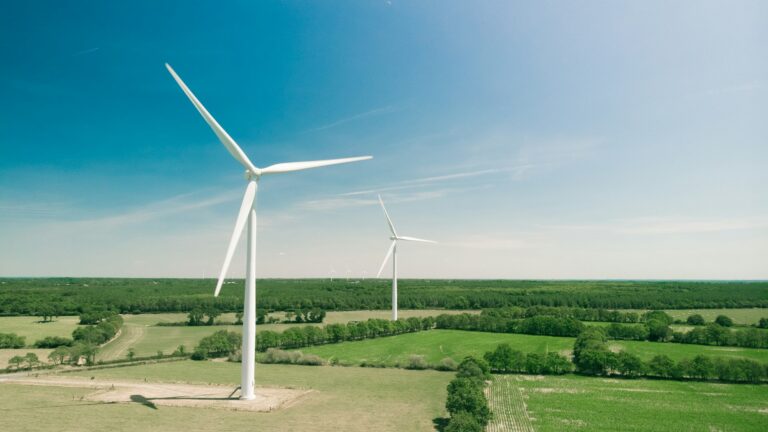
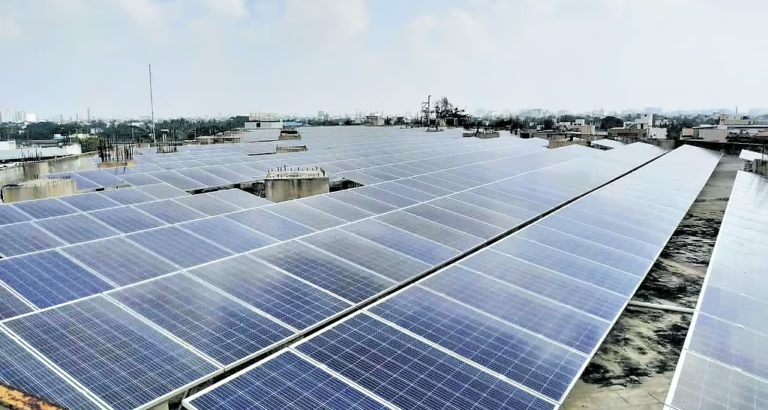
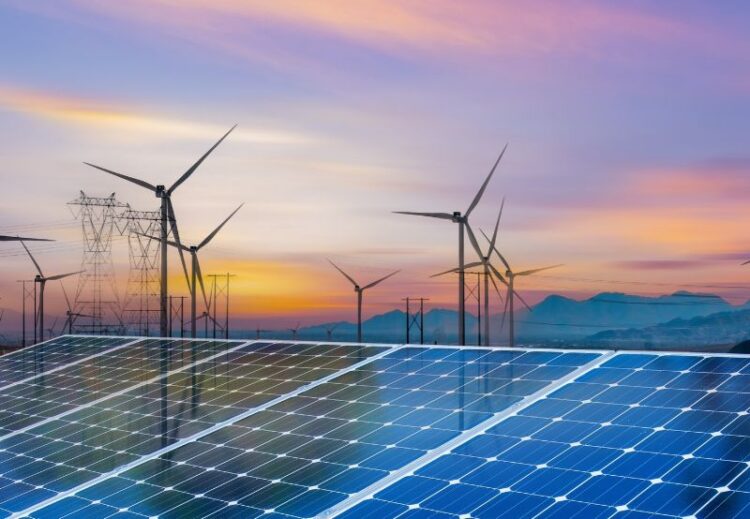
The proposed development will combine wind and solar generation, pumped hydro storage and battery energy storage systems (BESS) to provide round-the-clock clean power for energy-intensive artificial intelligence (AI) computing infrastructure.
The agreement was signed on November 12, 2026. CleanMax will develop the power generation, storage and distribution infrastructure, while AI cloud provider Neysa will collaborate on the proposed compute facility.
3 GW Renewable Energy Capacity and 1 GW Pumped Storage
Under the proposed investment, CleanMax plans to develop 3 GW of clean energy generation capacity through wind and solar projects, alongside 1 GW of pumped hydro storage facilities over the next five years.
The projects will be implemented in phases, with at least 1.5 GW of renewable energy capacity proposed to be developed by 2029.
The integrated system will combine wind and solar generation, which produce electricity at different times, with pumped storage and battery energy storage to balance supply and meet the compute facility’s continuous electricity requirements.
CleanMax will also establish a dedicated power distribution network within the compute park. A special purpose vehicle owned and operated by the company will apply to the Andhra Pradesh Electricity Regulatory Commission (APERC) for a distribution licence.
Kurnool to Host 2 GW Green Compute Factory
The proposed compute factory will be developed in Kurnool district in collaboration with Neysa, an AI cloud infrastructure provider. Neysa will anchor the facility with 1 GW of IT load.
The project is designed to bring renewable energy generation closer to large-scale computing infrastructure, addressing the growing electricity requirements of AI and data centres.
The facility will also adopt direct-to-chip cooling technology to limit water consumption. Its water requirements will be met through supplies allocated for industrial use by the local administration.
By integrating power generation, storage and distribution with computing infrastructure, the project aims to establish a dedicated clean-energy ecosystem for AI operations.
CSR Commitments Focus on Education and Local Employment
Alongside the proposed investment, CleanMax has outlined social responsibility initiatives focused on education, skill development and local employment.
The company will partner with United Way of Hyderabad to upgrade infrastructure at local primary schools and Anganwadis.
It will also collaborate with Pratham Education Foundation to implement a ‘Skilling for Jobs’ programme. The initiative will train local youth for entry-level employment opportunities at compute factories.
Additionally, final-year students from local Industrial Training Institutes (ITIs) and engineering colleges will receive specialised training in advanced cooling technologies and power systems. The programmes aim to prepare students for potential roles in building and operating large-scale compute facilities.
Neysa will also provide computing resources to leading research institutions in Andhra Pradesh, supporting research and technology development in the state.
Clean Energy and AI Infrastructure in One Ecosystem
Commenting on the development, Kuldeep Jain, Founder and Managing Director of CleanMax, said that computing is emerging as one of the largest new sources of electricity demand and requires clean power that remains available throughout the day.
He said the company plans to integrate generation, storage and distribution with the specific electricity requirements of the compute facility, rather than developing these components independently.
The investment is expected to strengthen Andhra Pradesh’s position as a destination for renewable energy and digital infrastructure projects. It also reflects the growing importance of aligning clean energy development with the rising power requirements of AI, cloud computing and data centres.
Through its education and skilling commitments, the project also seeks to create local development opportunities alongside large-scale infrastructure investment.
Disclaimer: This report has been editorially prepared using publicly available information and official company disclosures. The investment and infrastructure projects are proposed under an MoU and remain subject to implementation and applicable approvals. Readers are advised to refer to official company announcements for further details.
Author

About the Author