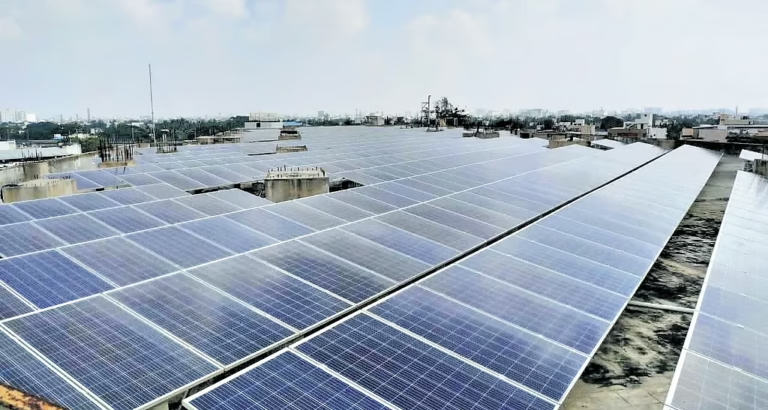
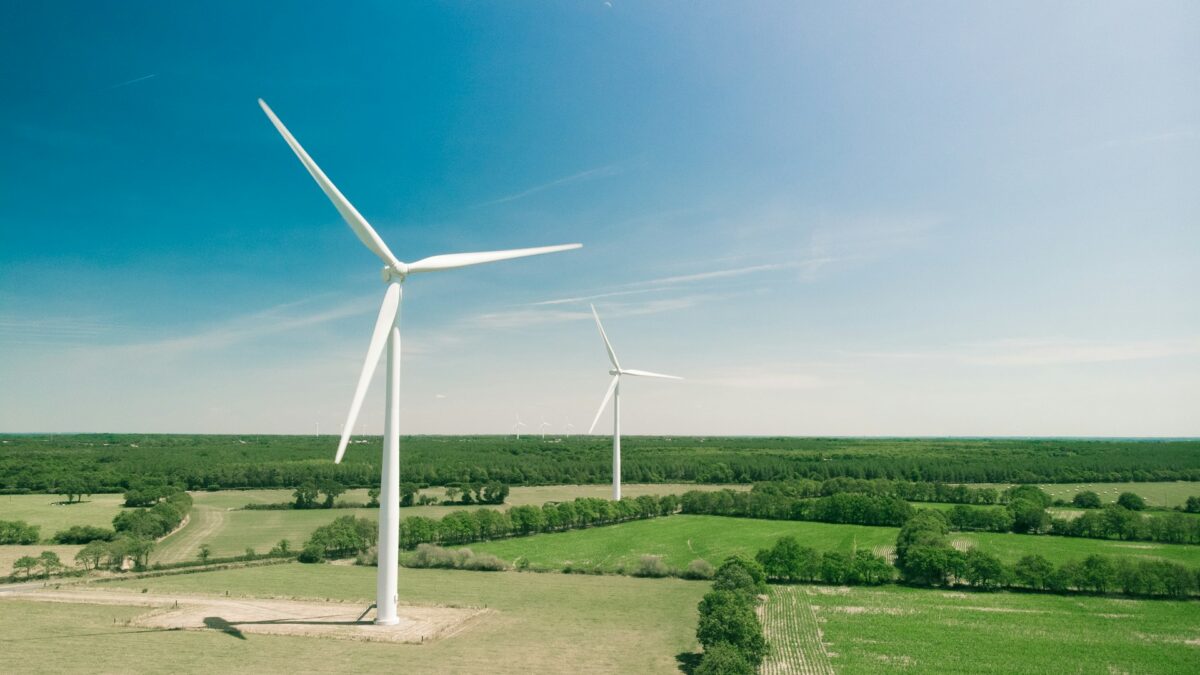
The Ministry of Power has proposed making energy storage systems mandatory for solar and wind-solar hybrid projects, while introducing domestic content requirements for batteries used in renewable energy and battery storage projects.
The proposed changes are part of draft amendments to four sets of competitive bidding guidelines covering solar photovoltaic (PV), wind-solar hybrid, Firm and Dispatchable Renewable Energy (FDRE), and Battery Energy Storage Systems (BESS) projects.
The ministry has invited comments and suggestions from stakeholders by November 25, 2026. The amendments are currently at the draft stage and have not yet been notified in the Gazette of India.
Energy Storage to Become a Compliance Requirement
Under the proposed amendments to the solar PV bidding guidelines, solar power procurement would have to comply with Central Government orders and Central Electricity Authority (CEA) regulations mandating the installation of Energy Storage Systems (ESS) alongside solar projects.
The proposed provision also requires such storage systems to meet applicable domestic content requirements. Existing guidelines permitted solar power procurement with or without energy storage.
For wind-solar hybrid projects, the draft proposes a more direct change. The existing provision states that energy storage may be added to the solar component of a hybrid project. The amended clause would make its inclusion mandatory in accordance with relevant Central Government orders and CEA regulations.
The proposed changes also remove the earlier provisions specifying the purposes of storage, including reducing fluctuations in renewable power generation, increasing energy output for a given capacity and ensuring firm power supply for a specified period.
Domestic Content Requirements Across Four Guidelines
The localisation requirement is proposed across all four sets of bidding guidelines.
Under the FDRE framework, storage systems would have to comply with domestic content requirements prescribed through Central Government orders.
For BESS projects, the draft requires tender documents, particularly Requests for Selection (RfS), to include suitable provisions ensuring compliance with applicable domestic content rules.
However, the draft amendments do not specify the minimum domestic content percentage or define which battery components would qualify as domestically sourced. These details are expected to be addressed through separate government orders.
The proposed approach is aimed at strengthening domestic battery manufacturing, reducing dependence on imported components and supporting India’s energy storage supply chain.
Changes to BESS Payment Security Mechanism
The Ministry of Power has also proposed changes to the Payment Security Fund mechanism under the BESS bidding guidelines.
Under the existing framework, the intermediary procurer is required to collect a non-refundable contribution of ₹5 lakh per megawatt-hour (MWh) from battery storage developers towards the fund.
The draft changes this provision by making the contribution optional. It proposes that the intermediary procurer may collect an amount not exceeding ₹5 lakh per MWh, with payments potentially collected in instalments specified in the tender documents.
The revised guidelines would require tender documents to clearly state that participation in the Payment Security Fund is optional for BESS developers.
The proposed changes are intended to provide greater flexibility in the bidding process while retaining the payment security mechanism for projects that participate in the fund.
BESS Procurement and Contract Duration
The draft also outlines the bidding parameters for procuring battery storage capacity.
Bids may be invited on the basis of an availability-linked fixed charge or annuity, expressed in rupees per kilowatt or megawatt per year or month. Alternatively, bidding may be based on the amount of Viability Gap Funding (VGF) required by a developer against a pre-specified tariff.
The proposed framework envisages a minimum BESS power agreement period of eight years, which may be extended depending on project requirements.
Industry Feedback Sought Before Finalisation
The proposed amendments cover guidelines originally notified between 2022 and 2023, which have subsequently undergone revisions.
The Ministry of Power has circulated the draft changes for stakeholder consultation, with comments invited until November 25, 2026.
The proposals could have significant implications for renewable energy developers, battery manufacturers, project bidders and electricity procurers. Making storage a compliance requirement would increase the importance of integrating battery and other storage technologies into renewable energy projects, while domestic content provisions could influence procurement strategies and project costs.
Several implementation details remain open, including the applicable domestic content thresholds, the specific components covered by localisation rules and the storage capacity and duration required for individual projects.
Once finalised, the amendments could shape India’s renewable energy procurement framework by linking the expansion of solar and hybrid power projects more closely with energy storage deployment and domestic battery manufacturing.
Disclaimer: This report has been editorially prepared using publicly available information and official policy documents. The proposed amendments remain subject to stakeholder consultation and government approval. Readers are advised to refer to official notifications for further details.
Author

About the Author