India’s shift from conventional power generation towards renewable energy is being driven by the need to tackle climate change, strengthen energy security and expand access to electricity, said Dr Mohammad Rihan, Director General, National Institute of Solar Energy (NISE).
Speaking at the inaugural session of the Sustainability & Energy Practitioners Association (SEPA), organised with Codissia during the sixth edition of the Sustainable Bharat Advanced Clean Energy Workshop 2026, Rihan highlighted the growing importance of clean energy as India’s electricity demand rises.
India’s Power Capacity Could Reach 2,200 GW by 2047
India’s installed power generation capacity has grown dramatically from around 96–97 GW in the late 1990s to more than 500 GW today.
Rihan said the country’s installed capacity could reach nearly 2,200 GW by 2047, driven by economic growth and rising electricity consumption.
However, meeting this demand primarily through coal-based generation would create significant environmental challenges.
“Electricity supply cannot be compromised, but it can be made more environment friendly,” Rihan said, stressing the need to accelerate the transition towards clean energy.
Solar Offers Energy Security and Wider Access
According to Rihan, solar energy provides three major advantages: environmental sustainability, energy independence and wider access to electricity.
Since sunlight is available domestically, greater solar adoption can reduce India’s dependence on imported fuels. Expanding domestic manufacturing of solar cells, modules and other components could further strengthen energy security.
Solar power can also be deployed at virtually any scale — from 1 kW rooftop systems to gigawatt-scale solar parks.
Its modular nature makes solar particularly useful for remote areas where extending conventional transmission infrastructure can be difficult.
Rihan described this as the “democratisation of electricity”, allowing consumers to become less dependent on conventional grid connections.
Solar Capacity Could Reach 1,200 GW by 2047
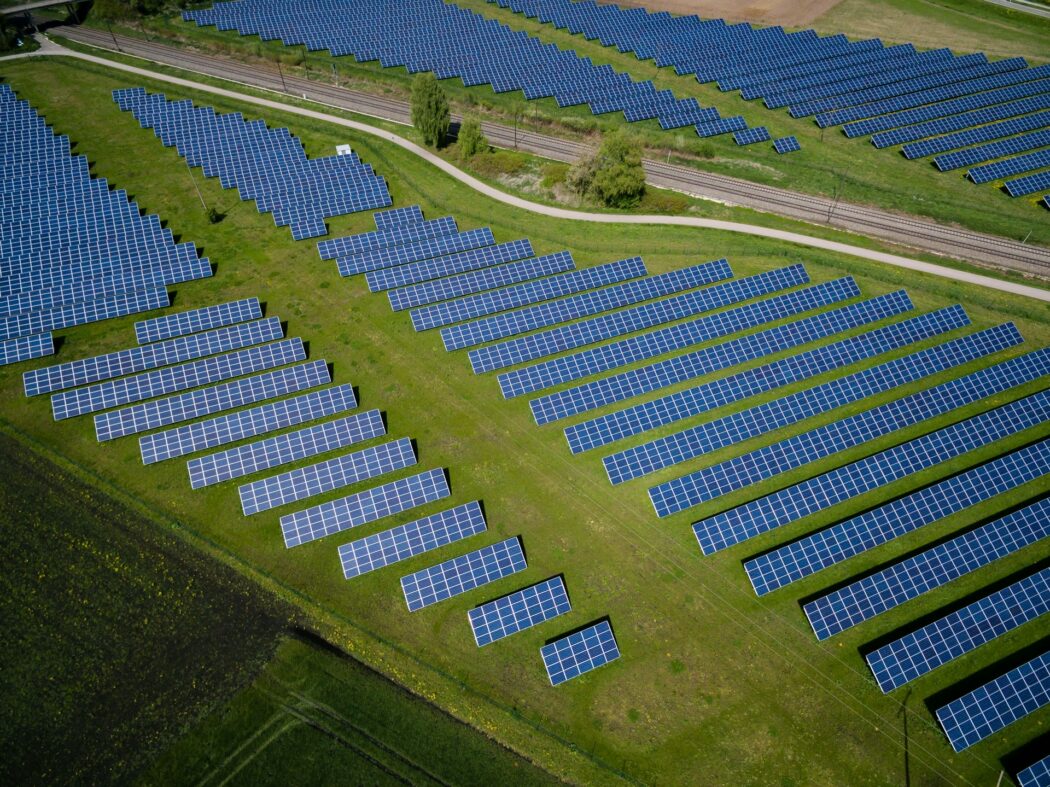
India now has more than 300 GW of non-fossil fuel-based power capacity, with solar contributing nearly 170 GW, according to Rihan.
He projected that India’s solar capacity could reach around 1,200 GW by 2047.
At the same time, achieving India’s long-term net-zero target by 2070 could require more than 5,000 GW of solar capacity, highlighting the enormous scale of the country’s clean-energy transition.
Renewables Can Decarbonise Multiple Industries
Rihan also highlighted the role of renewable electricity beyond power generation.
Clean electricity can help reduce emissions from difficult sectors such as transport, fertiliser production and cement manufacturing.
Green hydrogen produced using renewable energy could also replace fossil-fuel-based grey hydrogen in hard-to-abate industries, helping India reduce emissions from industrial processes.
Need for Skills and Domestic Manufacturing
Rihan called for stronger collaboration between industry and academia and urged institutions to update engineering curricula to prepare students for rapid technological changes in the energy sector.
He also highlighted India’s strong solar potential, noting that most parts of the country receive around 300 sunny days each year.
Falling solar costs, supportive government policies and growing domestic manufacturing are expected to further accelerate adoption.
He also advocated shared solar plants for housing societies and greater use of building-integrated photovoltaics (BIPV) in densely populated urban areas.
Author

About the Author