India’s growing renewable energy capacity has helped the country save more than $100 billion in coal and natural gas import costs between 2011 and 2025, according to the International Energy Agency’s (IEA) India Renewable Energy Market Report 2026.
The findings highlight the economic and energy security benefits of India’s expanding clean energy sector, which has reduced dependence on imported fossil fuels while strengthening domestic electricity generation.
The IEA estimates that cumulative savings on coal and natural gas imports could rise to approximately $240 billion by 2030, provided international fuel prices remain broadly around their 2024-25 average levels.
Renewable Energy Capacity Crosses 300 GW
India’s renewable power capacity has crossed 300 gigawatts (GW) in 2026, making it the world’s second-fastest-growing renewable energy market, according to the report.
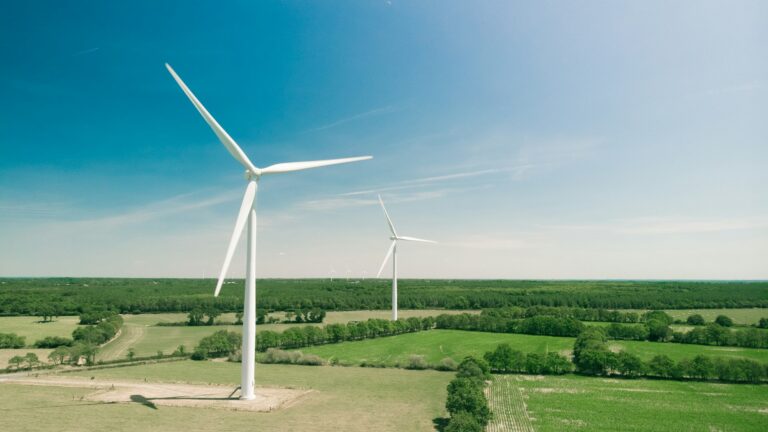
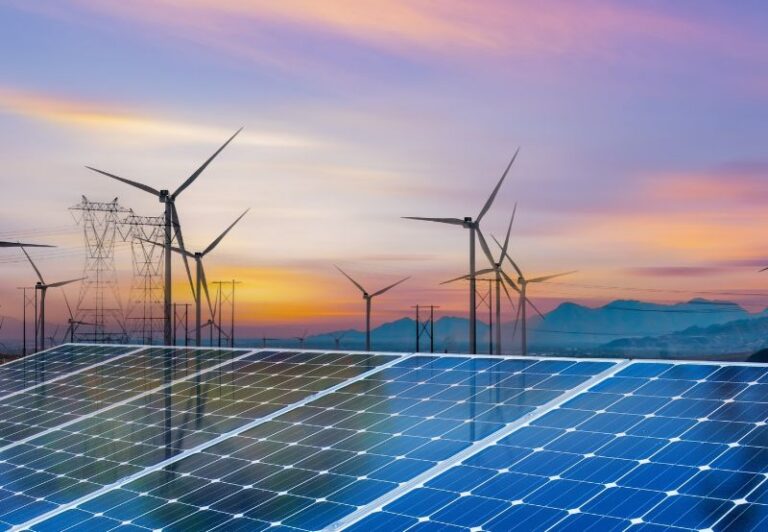
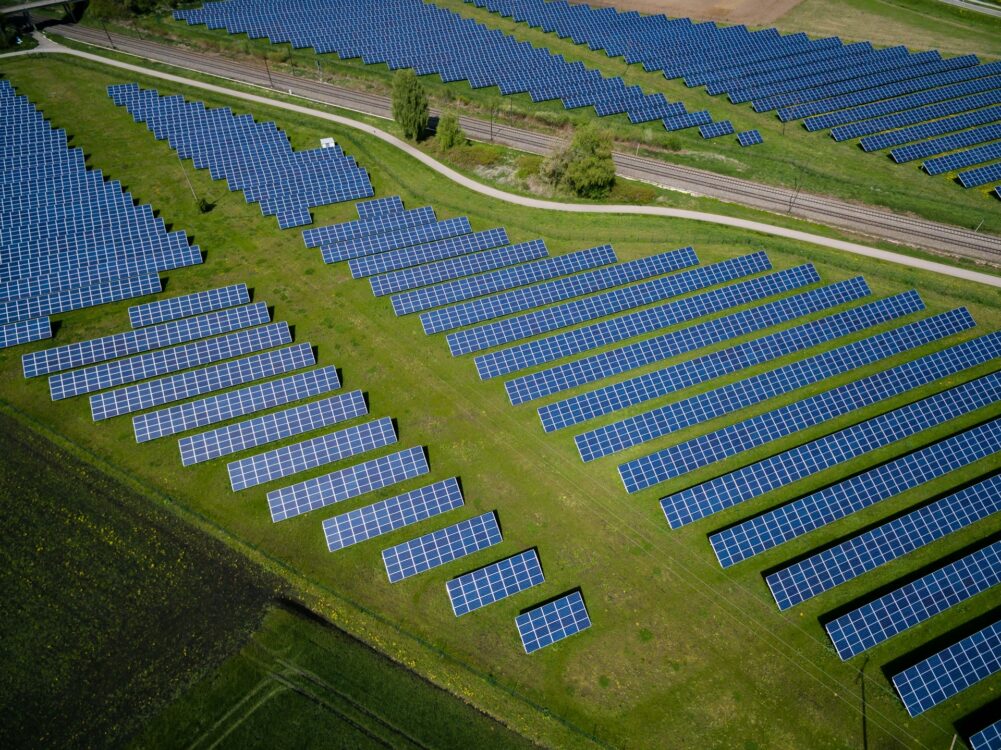
Between March 2014 and September 2026, the country added approximately 168 GW of solar capacity and 38 GW of wind capacity. Installed bioenergy capacity also reached nearly 12 GW.
The IEA estimates that without the solar, wind and bioenergy capacity added since 2010, India’s coal imports in 2025 would have been around 110 million tonnes higher.
The report also highlights that India achieved its target of sourcing 50% of installed electricity capacity from non-fossil fuel sources in 2025, five years ahead of schedule.
Import Savings Could Reach $35 Billion Annually
The financial benefits of renewable energy are expected to increase as additional capacity comes online.
According to the IEA, India’s renewable power capacity could reach approximately 530 GW by 2030. This expansion could generate annual savings of around $35 billion in coal and natural gas import costs.
The projected annual savings would exceed India’s entire expenditure on non-coking coal and natural gas imports in FY2024-25.
The report indicates that renewable energy is increasingly contributing not only to India’s climate objectives but also to reducing exposure to international fuel price fluctuations and supply disruptions.
Government Schemes Support Wider Renewable Energy Adoption
The expansion of renewable energy has extended beyond large-scale solar and wind power projects. Rooftop solar installations, corporate renewable electricity procurement and domestic manufacturing have also contributed to the sector’s growth.
The IEA specifically highlighted the government’s PM Surya Ghar: Muft Bijli Yojana, which is accelerating residential rooftop solar adoption, and the PM-KUSUM scheme, which supports solar-powered irrigation pumps and agricultural feeders.
Competitive bidding and supportive policy measures have also helped India achieve some of the world’s lowest solar power generation costs. Solar projects commissioned in 2025 recorded tariffs approximately 40% below the average cost of coal-based electricity, according to the report.
Strengthening Domestic Manufacturing and Energy Security
India’s renewable energy growth is also creating opportunities in domestic manufacturing. The country has emerged as the world’s second-largest manufacturer of solar photovoltaic modules, strengthening its position in global clean energy supply chains.
The IEA noted that continued investment in manufacturing, transmission infrastructure and renewable energy projects will be important to sustain this growth.
However, the next phase of expansion will require greater investment in electricity grids, energy storage and system flexibility to accommodate increasing solar and wind generation. Improving the financial position of distribution companies and reducing project delays will also be important.
IEA Highlights India’s Renewable Energy Progress
IEA Executive Director Fatih Birol said India’s experience demonstrates how consistent policies can reduce renewable energy costs and attract investment, offering valuable lessons for other emerging economies.
The report underlines how India’s renewable energy transition is delivering benefits beyond environmental sustainability, particularly through lower fossil fuel import requirements, improved energy security and opportunities for domestic industrial development.
Disclaimer: This report has been editorially prepared using publicly available information and official statements. Readers are advised to refer to official announcements for further details.
Author

About the Author