India’s Unified Payments Interface (UPI) continued its rapid expansion during the first half of the year, with transaction volumes rising 27% to around 14.5 billion transactions, highlighting the growing role of instant digital payments in the country’s financial ecosystem.
The increase comes as UPI continues to expand across merchants, consumers and businesses, strengthening its position as one of the country’s most widely used digital payment systems. The platform, operated by the National Payments Corporation of India (NPCI), has increasingly become an integral part of everyday transactions, ranging from small-value purchases at local stores to larger payments across organised retail and online commerce.
The latest growth in transaction volumes also reflects the continued shift toward mobile-based payments, with consumers increasingly using UPI-enabled applications for bank-to-bank transfers and merchant payments.
UPI continues to scale rapidly
UPI was introduced in 2016 as an interoperable payments infrastructure that allows customers to make instant payments directly from their bank accounts through participating applications.
Over the years, the system has expanded considerably, with UPI now supporting a broad network of banks, payment applications and merchants.
Its popularity has been driven by the simplicity of the payment process. Users can make payments using a virtual payment address, mobile number, QR code or other supported interfaces without having to enter lengthy bank-account details for every transaction.
The system has also helped bring digital payments to smaller merchants, including businesses that may not have traditionally invested in card-payment infrastructure.
Growth driven by everyday digital payments
A major factor behind UPI’s expanding volumes is its widespread use for routine transactions.
From payments at neighbourhood shops and restaurants to online purchases, utility bills and transfers between individuals, UPI has become embedded in a wide range of payment activities.
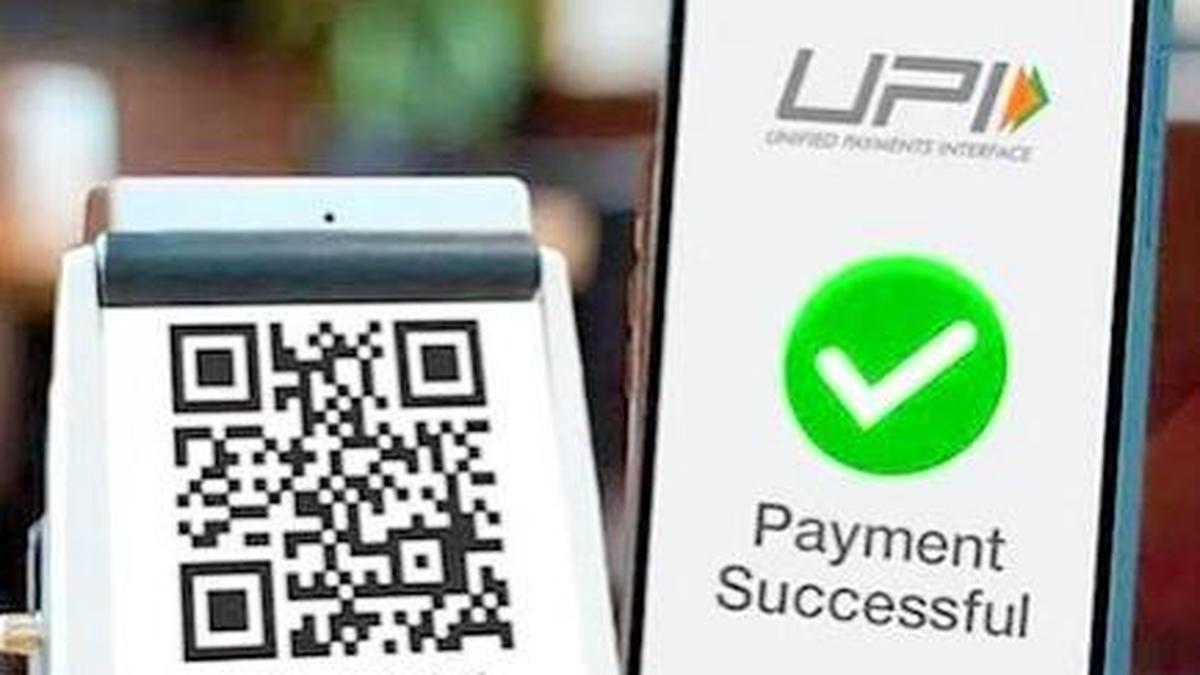
The availability of QR-code payments has been particularly important for merchant adoption. A smartphone-based QR code can allow even small businesses to accept digital payments without requiring a conventional card terminal.
This has helped extend digital-payment acceptance beyond major cities and organised retailers.
UPI’s role in India’s digital economy
The rise in transaction volumes is part of a broader transformation in India’s payments ecosystem.
UPI has created an interoperable layer connecting banks, payment-service providers and merchants, allowing users of different participating applications to transact with one another.
The system also operates differently from conventional card networks in several respects. Traditional card payments generally involve merchant fees such as the Merchant Discount Rate, whereas standard UPI transactions have historically operated without an MDR for merchants.
This structure has helped make UPI attractive to businesses, particularly those handling high volumes of relatively small-value transactions.
Expansion beyond traditional bank transfers
UPI has also evolved significantly since its introduction.
The ecosystem now supports a range of features, including recurring payments, credit-card-linked transactions through supported networks, international UPI payments and payments designed for users with limited access to smartphones.
The introduction of QR-based payments has further increased the system’s reach by allowing merchants to accept payments through widely available smartphones.
NPCI has continued to introduce new features as it seeks to expand the functionality of the platform and make digital payments accessible across different consumer and business use cases.
Growing importance for merchants
For merchants, UPI has become an important alternative to cash and card payments.
The relatively simple infrastructure required for QR-code acceptance has enabled smaller businesses to participate in the digital payments ecosystem. Consumers, meanwhile, can make payments directly from their bank accounts without carrying cash or using a physical card.
The combination of widespread smartphone usage, internet connectivity and increasing digital literacy has supported the expansion of this model.
The growth in transaction volumes therefore reflects not only increased adoption among existing users but also the continuing integration of digital payments into everyday commerce.
UPI continues to evolve
As transaction volumes increase, the next phase of UPI’s development is expected to focus on expanding the range of services available through the platform.
International payments, recurring transactions, credit-linked payments and other innovations have already broadened the use cases beyond simple person-to-person transfers.
UPI’s development has also attracted international attention because of its interoperability and scale. The platform has been cited as an example of how public digital infrastructure can facilitate widespread adoption of real-time payments.
With transaction volumes continuing to rise, UPI is increasingly becoming a foundational part of India’s digital financial infrastructure.
Digital payments deepen their presence
The 27% increase in transaction volume to 14.5 billion transactions during the first half underlines the scale at which digital payments are being used across India.
While transaction volume alone does not capture the total value or economic impact of payments, the continued rise indicates that UPI is being used for an increasingly broad range of everyday financial activities.
As banks, fintech companies and merchants build more services around the platform, UPI’s role in India’s digital economy is likely to continue expanding.
Disclaimer: This report has been editorially prepared using publicly available information and official statements. Readers are advised to refer to official announcements for further details.
Author

About the Author