By Special Correspondent
New Delhi, 12 July: As the world searches for cleaner and more sustainable sources of energy, one solution has existed for centuries—biomass energy. Every day, farms, forests, households and industries produce large amounts of organic waste. Instead of burning or dumping this waste, it can be converted into electricity, heat and clean fuels. Biomass energy not only generates renewable power but also helps reduce pollution, supports farmers and promotes a circular economy by transforming waste into valuable resources.
Today, biomass is one of the world’s oldest forms of renewable energy and continues to play an important role in India’s clean energy transition.
What Is Biomass Energy?
Biomass energy is energy produced from organic materials derived from plants and animals. These materials, known as biomass, contain stored solar energy that plants absorb during photosynthesis. When biomass is burned or converted into fuel, that stored energy is released as heat or electricity.
Unlike fossil fuels, biomass can be replenished naturally, making it a renewable source of energy when managed sustainably.
The History of Biomass Energy
The Earliest Energy Source
Long before electricity existed, humans relied on biomass for survival. Early civilizations burned wood, leaves, crop residues and animal dung for cooking, heating and lighting.
The Industrial Era
As coal and oil became widely available during the Industrial Revolution, biomass use declined in many countries. However, rural communities continued using firewood and agricultural waste for household energy.
Modern Biomass Power
During the late 20th century, growing concerns about climate change and waste management renewed global interest in biomass energy. Advances in technology made it possible to convert agricultural waste, municipal waste and organic residues into electricity, biogas and biofuels.
Biomass in India
India has used biomass for generations, particularly in rural households. Today, the country is expanding modern biomass technologies to generate electricity, produce compressed biogas (CBG), manufacture biofuels and reduce the open burning of crop residues. Programmes promoting bioenergy have gained momentum as part of India’s efforts to strengthen energy security and reduce carbon emissions.
Where Does Biomass Come From?
Biomass can be produced from many natural and organic sources, including:
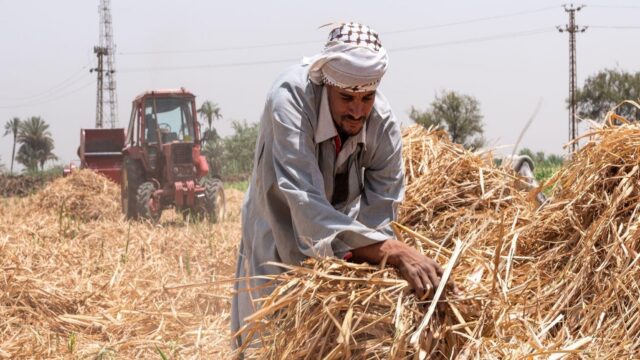
- Crop residues such as rice straw, wheat straw and sugarcane bagasse
- Forestry residues like branches, wood chips and sawdust
- Animal manure
- Kitchen and food waste
- Fruit and vegetable waste
- Municipal organic waste
- Energy crops grown specifically for fuel production
Instead of becoming waste, these materials can be converted into useful energy.
How Does Biomass Energy Work?
Biomass energy can be generated in several ways.
Step 1: Collection
Organic waste is collected from farms, industries, forests or households.
Step 2: Processing
The biomass is cleaned, dried or processed depending on the technology used.
Step 3: Energy Conversion
The biomass is converted into energy through different methods:
- Direct combustion (burning)
- Anaerobic digestion to produce biogas
- Gasification to produce combustible gas
- Pyrolysis to produce bio-oil and biochar
Step 4: Electricity Generation
The heat or gas produced drives turbines or engines connected to generators that produce electricity.
Step 5: Distribution
Electricity is supplied to homes and industries, while biogas and biofuels can be used for cooking, transport and industrial applications.
Different Types of Biomass Energy
Solid Biomass
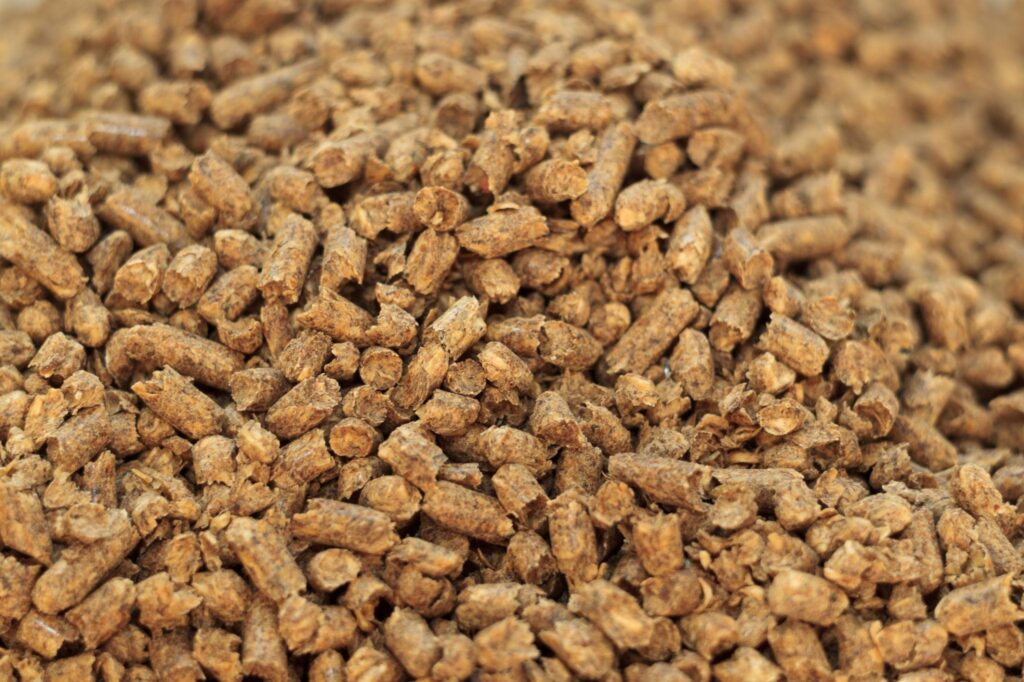
Includes wood, agricultural residues and pellets that are burned to produce heat or electricity.
Biogas
Organic waste decomposes in oxygen-free tanks called digesters, producing methane-rich gas used for cooking, electricity generation and transport fuel.
Biofuels
Crops and organic materials are processed into liquid fuels such as ethanol and biodiesel, which can replace conventional petrol and diesel.
Compressed Biogas (CBG)
Biogas is purified and compressed into a fuel suitable for vehicles and industries.
Why Biomass Energy Is Important
Biomass offers multiple environmental and economic benefits.
Reduces Agricultural Waste
Instead of burning crop residues in fields, farmers can sell them for biomass power generation.
Cuts Air Pollution
Using agricultural waste productively helps reduce smoke caused by stubble burning.
Supports Farmers’ Income
Farmers earn additional income by supplying biomass to energy plants.
Improves Waste Management
Organic waste from cities and industries is converted into useful energy instead of ending up in landfills.
Produces Renewable Energy
Biomass reduces dependence on coal, oil and natural gas.
Challenges of Biomass Energy
Despite its benefits, biomass energy also has certain challenges.
- Collecting and transporting biomass can be expensive.
- Sustainable harvesting is essential to avoid harming forests and ecosystems.
- Biomass contains less energy per kilogram than many fossil fuels.
- Poorly managed biomass burning can still produce air pollution.
Modern technologies are helping overcome these challenges through cleaner and more efficient energy conversion systems.
Biomass Energy in India
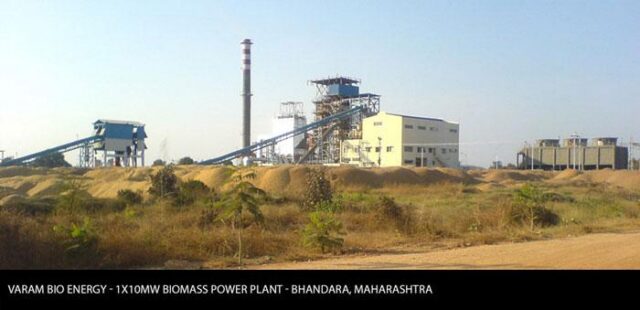
India has enormous biomass potential because of its large agricultural sector.
Major biomass-producing states include:
- Punjab
- Haryana
- Uttar Pradesh
- Maharashtra
- Karnataka
- Tamil Nadu
- Gujarat
The country is also promoting Compressed Biogas (CBG) under the SATAT initiative and encouraging bioenergy projects that utilise crop residues, animal waste and municipal organic waste.
Biomass and India’s Clean Energy Future
Biomass energy is expected to play a crucial role in India’s transition towards a low-carbon economy. It complements solar, wind and hydropower by providing electricity that can be generated when needed while addressing two major challenges simultaneously—clean energy generation and waste management.
As technology improves, biomass will continue transforming agricultural residues and organic waste into valuable energy resources, creating jobs, improving rural incomes and supporting India’s renewable energy ambitions.
Author

About the Author