By Special Correspondent
New Delhi, 13 June: Water has sustained human civilisation for thousands of years—not only for drinking, farming and transportation but also as a powerful source of energy. Today, hydropower is one of the world’s oldest, largest and cleanest renewable energy sources. By harnessing the force of flowing or falling water, hydropower plants generate electricity that powers millions of homes, industries and businesses without burning fossil fuels.
As India pursues a cleaner and more sustainable energy future, hydropower continues to play a vital role in ensuring reliable electricity while supporting the country’s renewable energy goals.
What Is Hydropower?
Hydropower, also known as hydroelectric power, is electricity generated from moving water. Instead of using coal, oil or natural gas, hydropower plants use the natural force of flowing rivers or stored water behind dams to spin turbines that produce electricity.
Because water is continually renewed through rainfall and the natural water cycle, hydropower is considered a renewable source of energy.
The History of Hydropower
People have used the power of flowing water for more than 2,000 years.
Ancient Times
The Greeks, Romans and Chinese built water wheels to grind grain, irrigate fields and operate simple machines.
The Birth of Modern Hydropower
The world’s first hydroelectric power station began operating in 1882 on the Fox River in Appleton, Wisconsin, USA. It demonstrated that moving water could generate electricity efficiently.
Hydropower in India
India entered the hydropower era in 1897, when the Sidrapong Hydroelectric Power Station near Darjeeling became the country’s first hydroelectric plant.
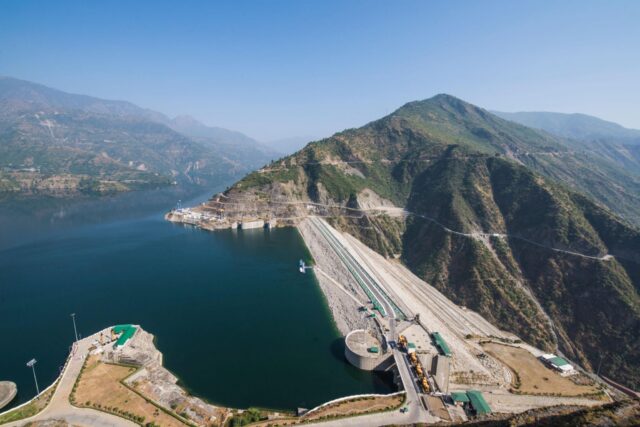
Since then, India has built some of the world’s largest dams and hydroelectric stations, including:
- Tehri Dam (Uttarakhand)
- Bhakra Nangal Dam (Punjab-Himachal Pradesh)
- Sardar Sarovar Dam (Gujarat)
- Nathpa Jhakri Hydropower Station (Himachal Pradesh)
Today, hydropower remains one of India’s major renewable energy sources.
How Does a Hydropower Plant Work?
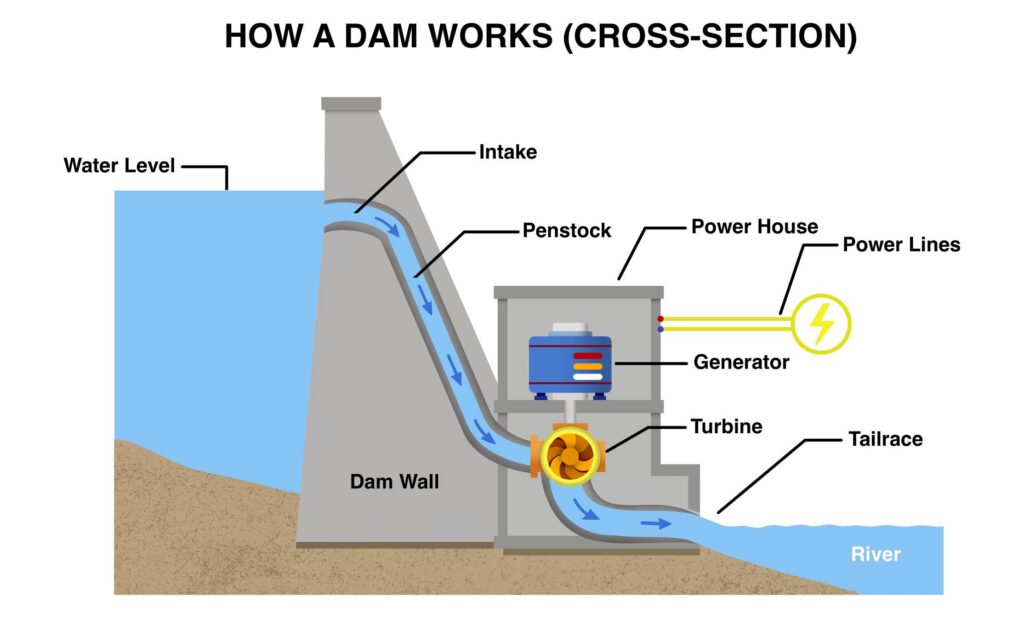
Although hydropower plants appear complex, the basic principle is simple.
Step 1: Water Is Stored
A dam stores river water in a large reservoir.
Step 2: Water Is Released
When electricity is needed, water is released through large pipes called penstocks.
Step 3: Turbines Rotate
The fast-moving water strikes giant turbine blades, causing them to spin.
Step 4: Electricity Is Generated
The spinning turbine drives a generator, converting mechanical energy into electricity.
Step 5: Electricity Travels to Homes
The electricity passes through transformers before entering the transmission grid, from where it is supplied across cities and villages.
Why Dams Are Important
Hydropower dams do much more than generate electricity.
They also:
- Store water for irrigation
- Supply drinking water
- Help control floods
- Support fisheries
- Promote tourism and recreation
- Improve water availability during dry seasons
Many dams therefore serve multiple purposes beyond power generation.
Types of Hydropower Plants
Storage Hydropower
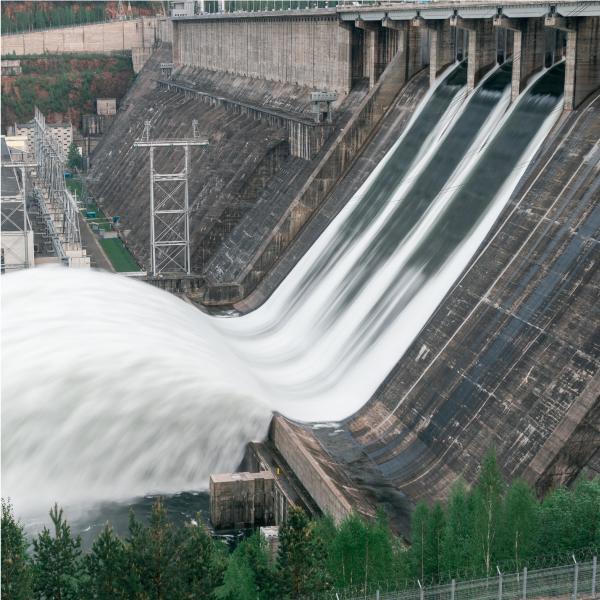
The most common type, where a dam stores water and releases it as required to generate electricity.
Run-of-the-River Projects
These projects generate electricity using the natural flow of rivers without storing large amounts of water.
Pumped Storage Hydropower
During periods of low electricity demand, water is pumped uphill into a reservoir. When demand increases, the stored water flows back downhill to generate electricity. These plants function like giant batteries for the electricity grid.
Why Hydropower Is Considered Clean Energy
Hydropower plants do not burn fuel during electricity generation.
They offer several environmental benefits:
- Produce very low greenhouse gas emissions
- Reduce dependence on fossil fuels
- Generate electricity at relatively low operating costs
- Provide reliable power throughout the year
- Support the integration of solar and wind energy into the grid
Hydropower is often called the “backbone of renewable energy” because it can quickly respond when electricity demand changes.
Challenges of Hydropower
Despite its advantages, hydropower also faces challenges.
Large dams may:
- Displace local communities
- Affect forests and wildlife habitats
- Alter river ecosystems
- Require significant investment
- Depend on rainfall and river flow
Modern projects increasingly focus on balancing development with environmental protection and community welfare.
India’s Hydropower Journey
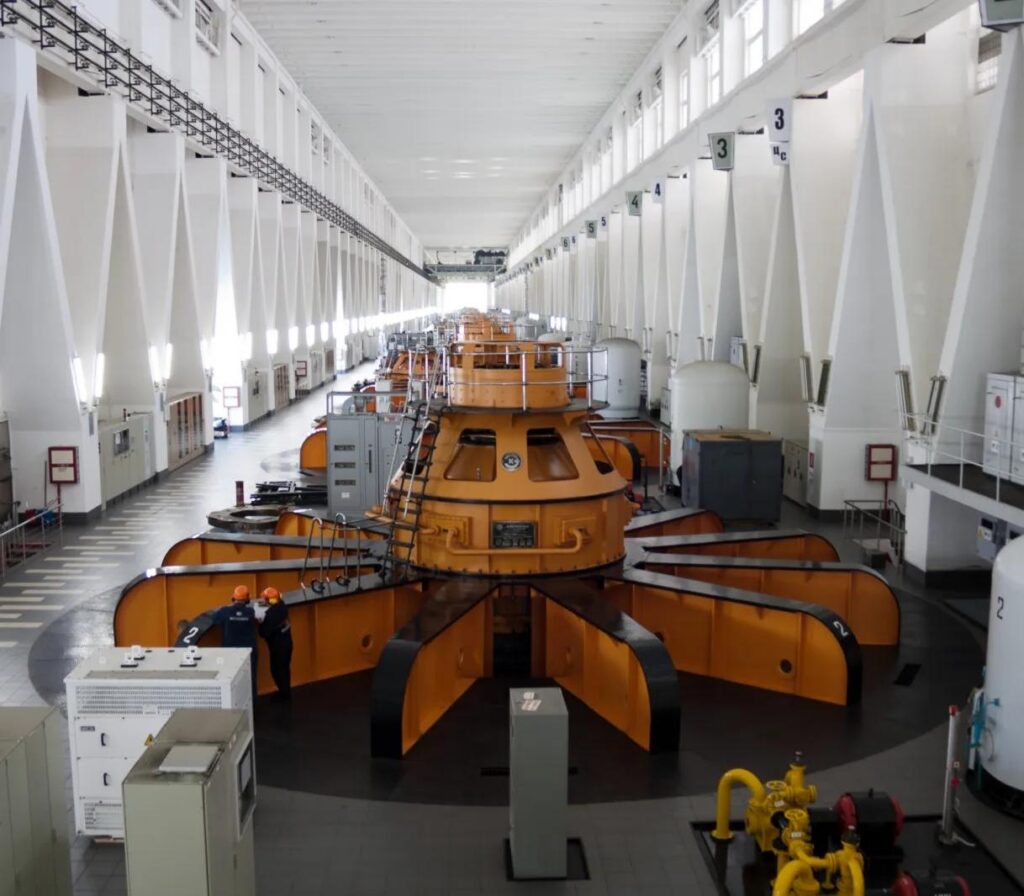
India possesses enormous hydropower potential due to the Himalayan rivers and numerous river systems across the country.
Major hydropower-producing states include:
- Himachal Pradesh
- Uttarakhand
- Jammu & Kashmir
- Arunachal Pradesh
- Sikkim
- Karnataka
- Kerala
Hydropower complements solar and wind energy by supplying electricity even after sunset or during periods of low wind, helping maintain grid stability.
Hydropower and India’s Clean Energy Future
As India aims to expand renewable energy, hydropower will continue to play a crucial role alongside solar, wind and battery storage. Pumped storage projects are becoming increasingly important for storing renewable energy and ensuring uninterrupted electricity supply.
By combining clean energy sources, India can build a reliable, affordable and environmentally sustainable power system for future generations.
Author

About the Author