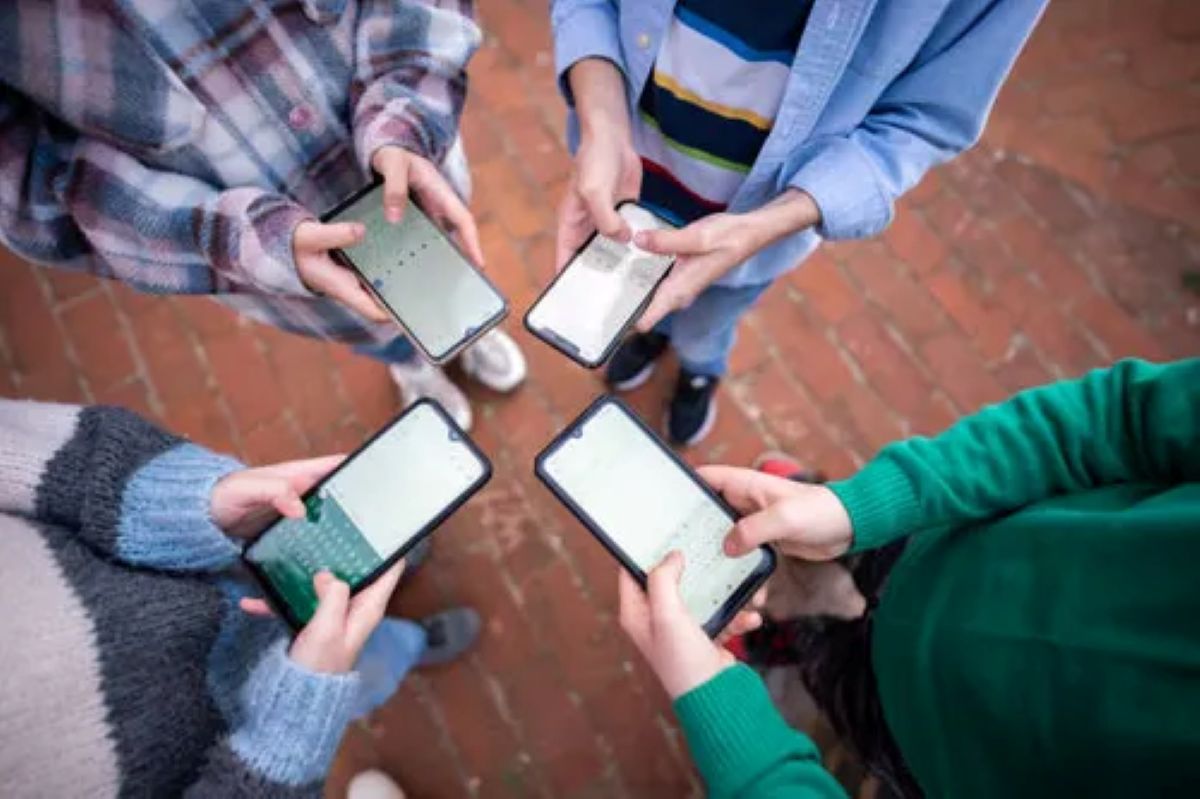
New Zealand is preparing to introduce legislation that would prohibit children under the age of 16 from using social media, as the government looks to address concerns around harmful content, addictive technology and the impact of social platforms on young people.
Prime Minister Christopher Luxon said on Monday that his party will introduce the proposed bill in Parliament. Under the legislation, social media companies would be required to take reasonable steps to verify users’ ages, potentially using existing account information, facial recognition technology and digital identity documents.
Platforms that fail to comply could face fines of up to 10% of their global revenue, making the proposal one of the more aggressive attempts to hold social media companies accountable for minors accessing their services.
Luxon said the government could not ignore the potential impact of social media on children, pointing to concerns around harmful content, addictive technology, sleep, education, family life and mental wellbeing.
However, the proposal already faces political resistance. New Zealand First, one of Luxon’s coalition partners, has indicated that it will not support the bill. Party leader Winston Peters argued that keeping children away from social media should primarily remain the responsibility of parents and warned about the broader implications of such legislation.
New Zealand’s proposal follows Australia, which became the first country to introduce a nationwide social media ban for children under 16 in December, covering platforms such as TikTok, YouTube, Instagram and Facebook.
Luxon acknowledged that enforcing the ban would not be easy and that some children could find ways around the restrictions. However, he argued that the potential risks were significant enough to make the attempt worthwhile.
The proposed legislation now faces the challenge of securing enough parliamentary support to become law.
Author

About the Author