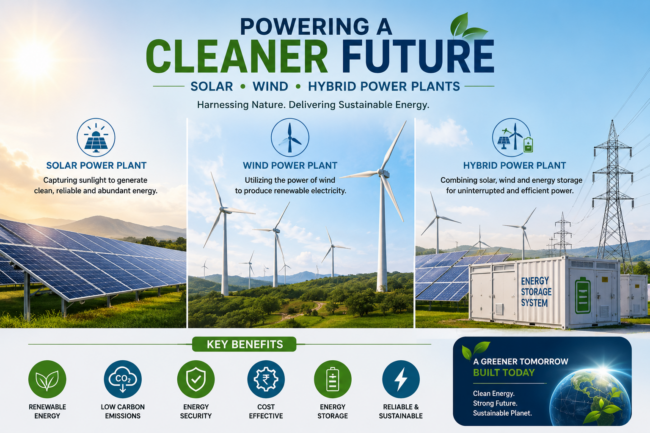
Bengaluru, 15 June: The Karnataka Electricity Regulatory Commission (KERC) has proposed a new framework to streamline connectivity and grid access for renewable energy and energy storage projects across the state. The draft regulations introduce provisions for solar, wind, hybrid power plants, and standalone energy storage systems, while aiming to ensure fair and non-discriminatory access to Karnataka’s transmission and distribution network for generators, consumers, and licensees.
A key feature of the proposal is the introduction of separate “solar-hour” and “non-solar-hour” access categories to improve the utilization of existing transmission infrastructure. Under the draft rules, renewable energy projects and storage facilities with capacities of 5 MW or more can apply for connectivity through the intra-state transmission network, while smaller projects will connect through the distribution system. The framework also allows co-located renewable and storage projects to optimize grid usage and share transmission capacity more efficiently.
The proposed regulations further support capacity aggregation through Lead Generator and Lead Energy Storage System models, enabling multiple projects to share connectivity infrastructure and potentially reduce network development costs. Renewable Power Park Developers authorized by state or central governments will also be eligible to seek connectivity on behalf of projects within their parks. KERC has invited stakeholder feedback on the draft regulations, which are expected to come into effect from October 1, 2026, following the consultation process.
Author

About the Author