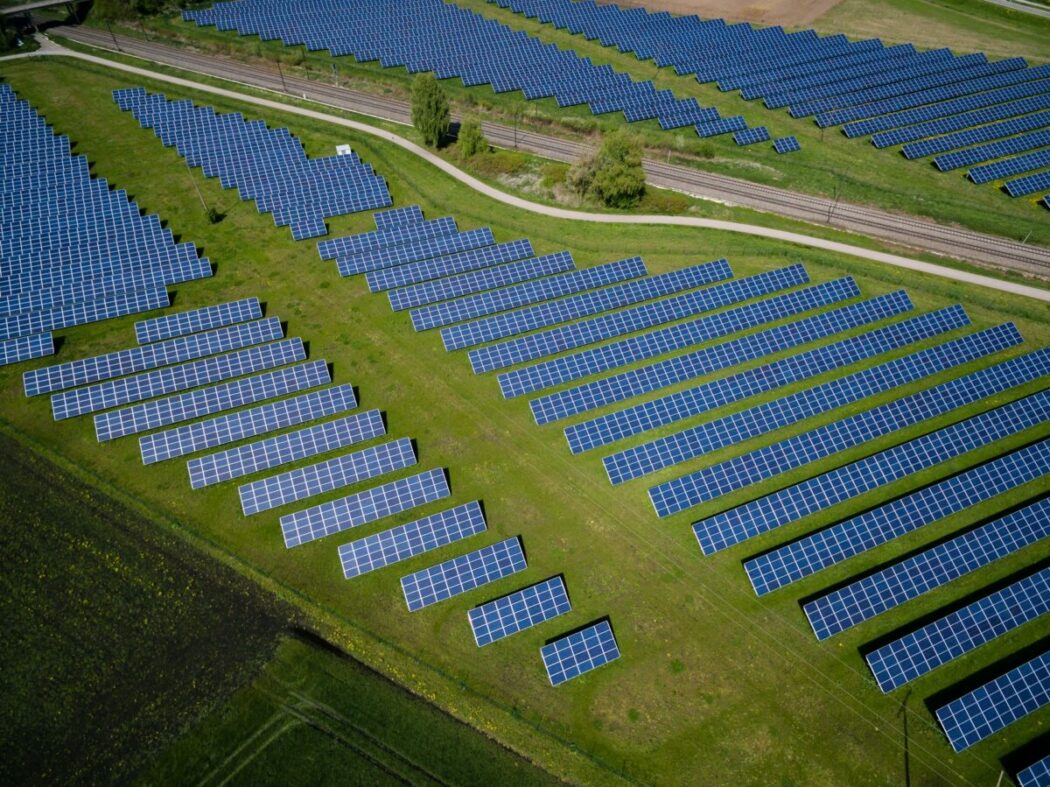
Juniper Green Energy Ltd. (JGEL) has secured a major renewable energy order from the Solar Energy Corporation of India (SECI), receiving a Letter of Award (LoA) for a 230 MW Firm and Dispatchable Renewable Energy (FDRE) Round-the-Clock (RTC) power project.
The project was awarded at a tariff of ₹5.26 per unit following SECI’s auction under its 1,000 MW FDRE RTC renewable energy tender conducted on August 6, 2026. The project will be developed in Rajasthan and connected to the National Grid, with Juniper Green Energy entering into a 25-year Power Purchase Agreement (PPA) with SECI.
Solar, Wind and Battery Storage to Deliver Round-the-Clock Power
Unlike conventional solar projects that generate electricity only when sunlight is available, the FDRE-RTC project is designed to provide a more consistent and reliable supply of renewable electricity.
Juniper Green Energy will combine solar power, wind generation and battery energy storage systems (BESS) to meet the project’s round-the-clock supply requirements.
The company’s integrated configuration will include 795 MWp of solar capacity, 75 MW of wind capacity and 2,200 MWh of battery storage capacity.
The combination is expected to allow renewable power generated during periods of high solar and wind availability to be stored and dispatched when required, helping address one of the biggest challenges associated with renewable energy — intermittency.
Strengthening Juniper’s FDRE Portfolio
The latest SECI award further expands Juniper Green Energy’s presence in the emerging FDRE segment, where renewable energy developers are increasingly combining generation assets with storage infrastructure.
The FDRE model is designed to provide renewable electricity with a reliability profile closer to conventional power generation. This makes such projects particularly important as India’s electricity demand rises and the country integrates larger quantities of solar and wind power into the national grid.
The project also demonstrates the growing importance of battery energy storage systems in India’s renewable energy expansion. Rather than relying solely on additional generation capacity, developers are increasingly using storage to shift renewable electricity to periods when demand is high or generation from solar and wind is lower.
Rajasthan to Host Another Large Renewable Energy Project
Rajasthan has emerged as one of India’s major renewable energy hubs because of its strong solar potential and availability of large areas suitable for utility-scale projects.
Juniper’s latest project will add substantial renewable generation and storage capacity to the state’s clean-energy ecosystem while supplying power to the National Grid.
With 795 MWp of solar, 75 MW of wind and 2,200 MWh of BESS, the project represents a significant integrated renewable energy development rather than a standalone solar or wind installation.
Why FDRE Projects Matter for India’s Energy Transition
India’s rapid expansion of renewable energy has created a new challenge: ensuring that clean electricity is available when consumers actually need it.
Solar generation peaks during daylight hours, while electricity demand can remain high after sunset. Wind generation can also fluctuate depending on weather conditions.
FDRE projects attempt to solve this problem by combining multiple renewable sources with storage and sophisticated power management systems.
SECI’s 1,000 MW tender is part of this broader shift towards renewable energy projects capable of delivering dependable electricity rather than simply adding intermittent generation capacity.
Juniper Green Energy’s 230 MW award therefore highlights the evolving nature of India’s clean-energy market, where generation capacity, energy storage and grid reliability are increasingly being planned together.
Author

About the Author