
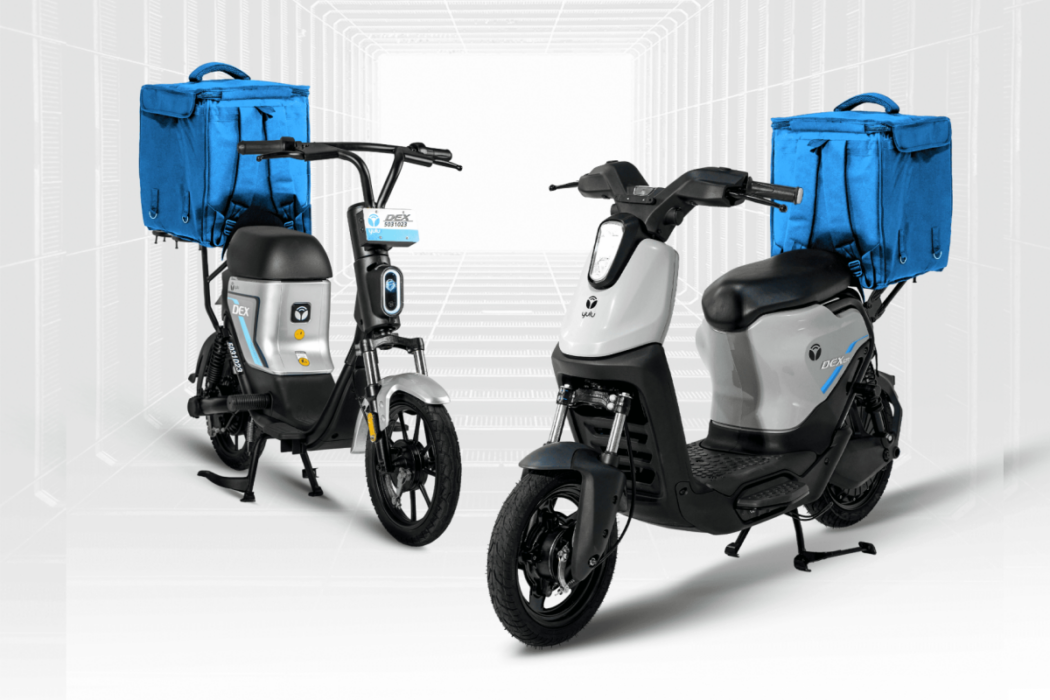
Indian electric mobility startup Yulu has raised $93 million in a Series C funding round, as the rapid expansion of quick-commerce, food delivery and e-commerce services drives growing demand for affordable electric two-wheelers among delivery workers.
The Bengaluru-based company operates a fleet of electric two-wheelers that delivery workers can access through weekly subscription plans, allowing gig workers to start working without having to purchase their own vehicle.
Yulu currently operates around 50,000 electric vehicles, covering approximately 1.6 million miles every week and supporting more than 750,000 deliveries per day, according to the company.
$93 Million Funding to Expand Fleet
The latest Series C round consists of:
- $63 million in equity, led by GEF Capital Partners
- $30 million in debt financing
Yulu plans to use the funding to significantly expand its electric vehicle fleet.
The company aims to increase its fleet from around 50,000 vehicles to 200,000 electric two-wheelers within the next two years.
Around one-third of the expanded fleet is expected to consist of higher-speed electric scooters designed for longer-distance logistics and delivery applications.
The funding round also included approximately $5.5 million used to purchase shares from early investors whose investment funds were approaching the end of their investment cycle.
Yulu Valued at Around $170 Million
The funding round reportedly values Yulu at approximately $170 million post-money, according to people familiar with the transaction.
Existing investors Bajaj Auto and Magna International did not participate in the latest round after waiving their pre-emptive rights, allowing GEF Capital Partners to acquire its targeted ownership stake.
Yulu co-founder and CEO Amit Gupta said the company expects this to be its final equity fundraising round before a potential public listing.
Future expansion is expected to be financed primarily through debt and leasing arrangements.
Quick-Commerce Drives Electric Mobility Demand
Yulu’s business has benefited significantly from the rapid growth of India’s quick-commerce industry.
The company initially started as a bike-sharing platform for urban commuters in 2017. However, the COVID-19 pandemic and the subsequent boom in food, grocery and e-commerce deliveries created a much larger opportunity for its electric mobility business.
Today, approximately 95% of Yulu’s revenue comes from renting electric vehicles to gig workers through weekly subscriptions, while the remaining revenue comes from its station-based rental business in Bengaluru.
The company has also abandoned its earlier plan to sell electric bikes directly to consumers and is instead focusing on mobility-as-a-service for delivery workers.
New Yulu Express Electric Scooter
To expand beyond short-distance deliveries, Yulu is introducing a new full-sized, higher-speed electric scooter called Yulu Express.
The vehicle is designed for:
- Long-distance e-commerce deliveries
- Bike taxi services
- Express parcel delivery
- Other logistics applications
Yulu’s existing low-speed electric fleet is manufactured by Bajaj Auto, while the new higher-speed scooter is being supplied by another Indian manufacturer whose identity has not been disclosed.
Around 500 Yulu Express vehicles are already operating in Bengaluru, with trials also underway in three additional cities.
Expansion to 20 Indian Cities
Yulu currently operates in 12 Indian cities.
The company directly operates its business in:
- Bengaluru
- Mumbai
- Delhi-NCR
- Hyderabad
It operates in eight additional markets through franchise partners.
Yulu plans to expand to approximately 20 cities over the next year, with Chennai and Pune among its key expansion targets.
The company works with major quick-commerce, food-delivery and e-commerce platforms, including Amazon and Walmart-owned Flipkart. However, Yulu’s direct customers are the gig workers who rent its vehicles rather than the delivery platforms themselves.
Gupta described Yulu’s role as being similar to “the AWS of mobility” — providing the transportation infrastructure that allows delivery workers to operate without delivery platforms having to own or finance the vehicles.
Path Toward Profitability
Yulu said its business achieved positive EBITDA in the previous financial year and is targeting profitability at the operating level before interest and taxes next year.
The company also reported that its revenue grew approximately seven-fold between FY2023 and FY2026, highlighting the rapid expansion of its electric mobility business alongside India’s growing delivery economy.
With the latest funding, Yulu is positioning itself to become a major electric mobility infrastructure provider for India’s expanding gig economy, while shifting towards larger, faster vehicles capable of supporting a wider range of logistics and transportation applications.
Author

About the Author