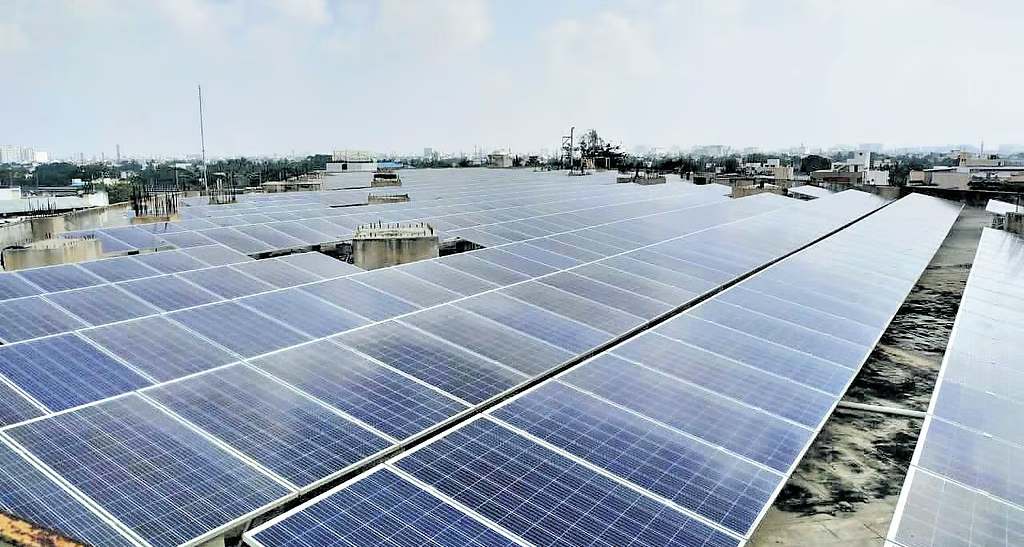
India has taken another step towards improving renewable-energy utilisation by allowing renewable energy projects to use co-located battery energy storage systems (BESS) to capture electricity that would otherwise be curtailed because of grid constraints.
Under the new approach, renewable power that is curtailed under Temporary General Network Access (T-GNA) arrangements can be stored in additional on-site battery systems and subsequently sold. The move is aimed at reducing renewable-energy wastage while creating an additional commercial avenue for project developers.
Turning Curtailed Power Into Usable Energy
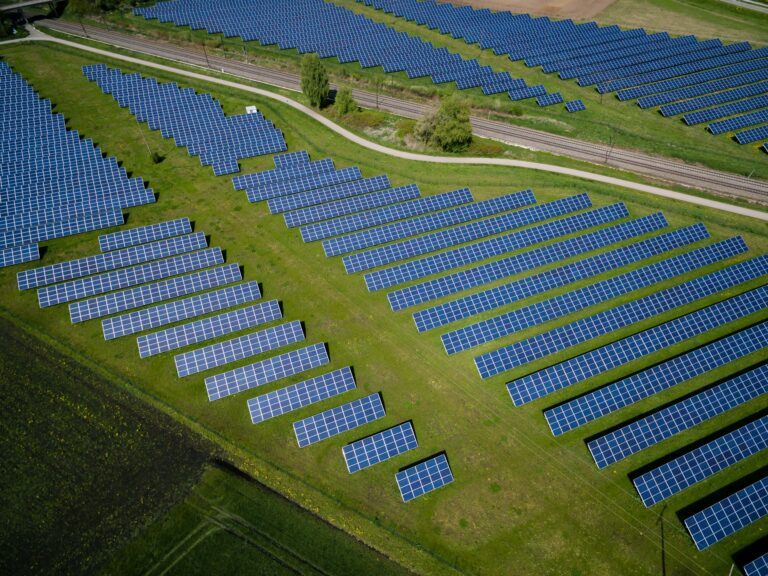
Renewable generation, particularly solar and wind power, can sometimes exceed the amount of electricity that the grid is able to absorb or transmit at a particular time. When this happens, generation may have to be curtailed, meaning available clean electricity is not produced or delivered despite the renewable project having the capacity to generate it.
The new policy approach provides developers with an alternative: instead of losing that electricity, eligible projects can use co-located battery storage to capture the surplus power and discharge it later when grid conditions allow.
This effectively converts curtailed renewable generation into a form of dispatchable energy, potentially improving both grid utilisation and project economics.
Greater Commercial Flexibility for Developers
A significant aspect of the change is that stored electricity can subsequently be sold through power exchanges or other permitted arrangements, rather than remaining tied exclusively to the original power-sale structure.
This provides renewable developers with greater flexibility in monetising electricity that would otherwise have been lost.
The policy change follows concerns from developers about renewable power being curtailed because of transmission and grid constraints. Reports indicate that in some cases a substantial portion of scheduled renewable generation under T-GNA arrangements has faced curtailment.
Why Battery Storage Matters
Battery energy storage is increasingly becoming an important part of India’s renewable-energy infrastructure.
Solar generation is strongest during daylight hours, while electricity demand can remain high later in the day. Wind generation can similarly fluctuate depending on weather conditions. Batteries can help bridge this timing mismatch by storing electricity when generation is available and releasing it when the grid needs additional power.
For renewable developers, the ability to store curtailed electricity could therefore provide several potential benefits:
- Lower renewable-energy wastage
- Better utilisation of existing generation assets
- Greater flexibility in power sales
- Additional revenue opportunities
- Improved integration of variable renewable energy
- Stronger utilisation of battery-storage infrastructure
The change also fits into India’s wider push to expand energy storage alongside renewable generation and strengthen grid flexibility.
A Step Towards a More Flexible Renewable Market
The policy is significant because India’s renewable-energy expansion is increasingly shifting the challenge from simply adding generation capacity to ensuring that renewable electricity can be effectively transmitted, stored and delivered when required.
Recent infrastructure investments are also reflecting this shift. For example, a transmission project recently awarded in Maharashtra is designed to facilitate the transfer of up to 4,500 MW of renewable and storage power, highlighting the growing importance of integrated renewable-plus-storage infrastructure.
With battery costs, storage capacity and renewable generation continuing to scale, the ability to store electricity that would otherwise be curtailed could become an increasingly important component of India’s clean-energy market.
The broader objective is clear: instead of allowing renewable electricity to go unused because the grid cannot absorb it at that moment, storage can give that electricity a second opportunity to generate value.
Author

About the Author