A French vineyard owner has invested around €4 million in an agrivoltaic system covering four hectares of grapevines, accepting the loss of his official Cognac designation in an effort to protect his crops from increasingly severe heat, hail and frost.
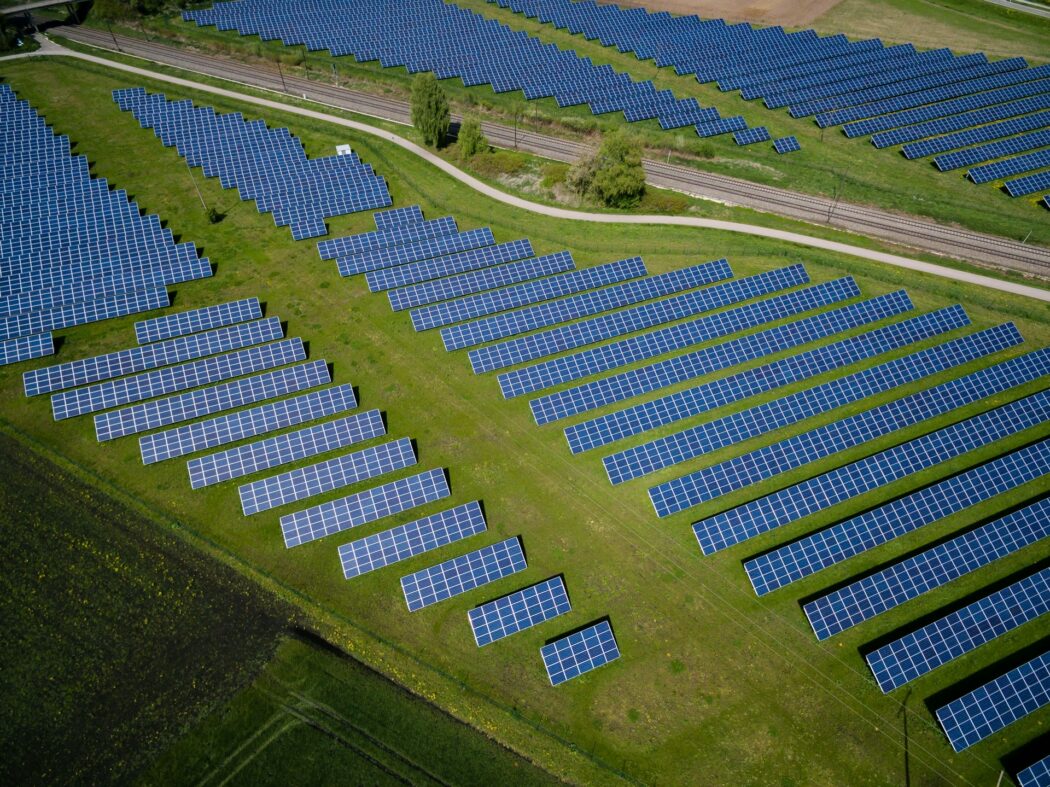
David Moreau, who grows Ugni Blanc grapes near Saintes in western France, has installed 6,000 solar panels about five metres above the vines. The panels can automatically adjust their position throughout the day to balance sunlight and shade.
The system is expected to generate electricity while simultaneously protecting the vineyard from extreme weather. Moreau, however, earns only around €600 a year in electricity rent from the installation and will have to wait until the 2029 harvest to determine whether the agricultural benefits justify the investment.
Solar Panels Designed to Protect Grapes
The agrivoltaic system was developed by Sun’Agri, the agricultural solar division of French construction group Eiffage.
Sensors and software monitor weather conditions and plant development to determine how the panels should be positioned.
During periods of intense heat, the panels provide shade to reduce stress on the vines. When hail is forecast, they can move into a flat position, creating a protective barrier over the grapes.
Moreau says the system can protect 70–80% of his vines during hailstorms.
The panels can also help during cold nights by trapping warmer air close to the ground. Moreau estimates that this could reduce frost damage by around 90%.
Sun’Agri’s own research has reported that temperatures beneath its systems can be several degrees lower during heatwaves and slightly warmer during freezing conditions.
Why He Lost the Cognac Designation
The biggest price Moreau has paid for the project is not financial — it is regulatory.
French rules governing protected wine designations restrict the installation of permanent coverings over vineyards carrying AOC or IGP designations.
Because the solar canopy covers Moreau’s vines, the resulting wine will not qualify for the official Cognac designation, despite the vineyard being located in the Cognac-producing region.
Moreau has nevertheless chosen to proceed because heat-related grape damage, known as echaudage, already reduces his harvest by an estimated 5–10% in some years.
For him, protecting the crop from increasingly unpredictable weather is more important than retaining the protected label.
Agrivoltaics Already Being Tested in French Vineyards
Moreau’s project is part of a broader effort to determine whether solar panels can help vineyards adapt to climate change.
A Sun’Agri installation at Domaine de Nidolères in southern France, operating since 2018, has been studied alongside an uncovered control plot.
According to Sun’Agri’s research, some grape varieties have recorded 20–60% higher yields under the panels, while irrigation requirements have fallen by 20–70%.
However, the company develops and operates these systems and collects much of the associated data, meaning the findings require independent validation before they can be considered conclusive.
French Wine Industry Still Divided
France’s wine authorities are yet to reach a clear consensus on agrivoltaics.
Some vineyards have permitted solar installations for research purposes, while others have moved in the opposite direction.
The Côtes du Rhône appellation has introduced restrictions against agrivoltaic systems, citing concerns about their potential impact on the traditional landscape and identity of vineyards.
The Cognac industry has not yet taken a definitive position and is continuing to assess the potential effects of solar canopies on wine quality, economics and the appearance of the region.
A Different Approach in the US
American vineyards face fewer regulatory obstacles.
The US system largely focuses on geographical origin rather than prescribing how vineyards must be managed. As a result, vineyards can potentially install solar canopies without automatically losing their regional designation.
Researchers in the US are already studying the technology. Colorado State University, for example, is testing solar canopies over mature grapevines to examine their potential for heat protection, water conservation, frost protection and hail resistance.
The economics, however, remain challenging.
For growers who rarely experience severe weather losses, a multi-million-euro or dollar solar installation may not make financial sense. But in regions increasingly affected by heatwaves, hailstorms and frost, agrivoltaics could offer a way to generate renewable electricity while protecting agricultural production.
For Moreau, the experiment represents a difficult trade-off: sacrificing a prestigious wine label today in the hope of making his vineyard more resilient to tomorrow’s climate.
Author

About the Author