
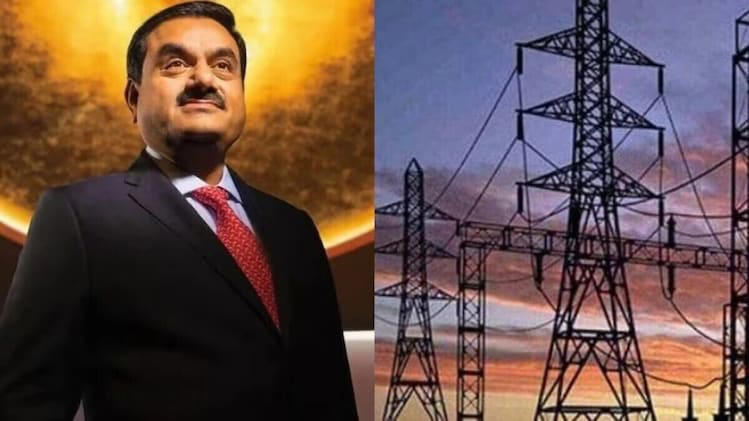
New Delhi, June 26: The Adani Group has announced its entry into India’s nuclear power sector, unveiling plans to build 10 GW of nuclear energy capacity by 2035 as part of its long-term strategy to strengthen the country’s energy security and expand its presence across the entire energy value chain.
The company said it has already identified land for its proposed nuclear venture, Adani Atomic Energy, which will complement its existing portfolio spanning thermal power, renewable energy, hydropower, natural gas distribution, and electricity transmission.
The move marks Adani Group’s formal entry into nuclear energy at a time when India is accelerating efforts to diversify its electricity mix with reliable low-carbon power sources. Unlike solar and wind energy, nuclear power provides continuous baseload electricity, making it a key component of the country’s long-term clean energy strategy.
Alongside its nuclear ambitions, the group is significantly expanding its conventional and renewable energy businesses. During FY26, Adani invested more than ₹1.5 lakh crore in infrastructure projects, accounting for over 30% of India’s new private-sector capital expenditure.
The company is also executing one of India’s largest private-sector power expansion programmes through Adani Power, with investments exceeding ₹2 lakh crore. The initiative aims to increase the company’s installed power generation capacity to 45 GW over the next five years.
In the transmission segment, Adani Energy Solutions has expanded its transmission order book to ₹72,000 crore, supported by large infrastructure projects including the Khavda-South Olpad High Voltage Direct Current (HVDC) transmission corridor. The company said it remains India’s only private-sector player with proven HVDC capabilities.
Beyond nuclear power, Adani Group continues to strengthen its clean energy portfolio. It has partnered with Bhutan’s Druk Green Power Corporation to jointly develop 5,000 MW of hydropower capacity, while its city gas business has crossed 1.1 million piped natural gas household connections across India.
The conglomerate is also investing aggressively in digital infrastructure. Its data centre business is targeting a 3 GW platform by 2030 and has signed an agreement with Google to develop a gigawatt-scale data centre project in Visakhapatnam.
Financially, the group reported strong performance in FY26, with consolidated revenue rising to ₹2.92 lakh crore, while EBITDA reached ₹94,834 crore and profit after tax increased to ₹46,376 crore. The company said the robust financial position will support its large-scale capital expenditure plans across infrastructure and energy.
With its latest announcement, Adani Group is positioning nuclear energy as the next major pillar of its long-term growth strategy, aiming to play a significant role in meeting India’s future demand for dependable, affordable, and low-carbon electricity.
Author

About the Author


