Tamil Nadu is planning a major expansion of its energy storage infrastructure, with the state government targeting the storage of 4% of total renewable energy generated by 2029-30 as it seeks to strengthen grid stability and accommodate the rapid growth of renewable power.
Energy Minister C.T.R. Nirmal Kumar told the state Assembly that Tamil Nadu has set year-wise energy storage targets in line with guidelines issued by the Union government. The state aims to achieve 2,500 MWh of total energy storage capacity by the end of 2027.
The move comes as increasing renewable energy generation, particularly from solar and wind, creates greater fluctuations in electricity supply and increases the need for flexible power management.
Renewable Energy Creates New Grid Challenges
Speaking during the discussion on demands for grants for the Energy Department, Nirmal Kumar said the increasing integration of renewable energy requires conventional thermal power plants to frequently ramp their generation up and down.
This creates operational challenges and places additional stress on the electricity grid.
Energy Storage Systems (ESS) can help address this challenge by storing surplus renewable electricity when generation is high and releasing it when demand rises or renewable generation falls.
According to the state’s policy note tabled in the Assembly, Battery Energy Storage Systems (BESS) are being developed to improve grid stability, optimise renewable energy utilisation and support Tamil Nadu’s transition towards cleaner electricity.
1,000 MWh BESS Projects Targeted for December 2026
As part of its strategy, Tamil Nadu Green Energy Corporation Limited (TNGECL) has initiated the development of 1,000 MWh of standalone BESS, equivalent to 500 MW for two hours.
The projects are being implemented under the state’s component of Viability Gap Funding (VGF) and will follow a Build-Own-Operate (BOO) model.
Six BESS installations with a combined capacity of 500 MW/1,000 MWh are planned at TANTRANSCO substations across the state.
The identified locations are:
- Thennampatty
- Anuppankulam
- Ottapidaram
- Vellalaviduthi
- Kayathar
- Karaikudi
These projects are targeted for commissioning by December 2026.
Another 1,500 MWh Storage Capacity Planned
Tamil Nadu is also developing an additional 1,500 MWh of standalone BESS, equivalent to 375 MW for four hours.
These projects are being implemented with financial support from the Power System Development Fund (PSDF).
The state has identified 11 TANTRANSCO substations for the installations:
- Thappagundu
- Thatchankurichi
- Palladam
- Alagarkoil
- Kamudhi
- Karamadai
- Anaikadavu
- Thiruvarur
- Othakalmandapam
- Thuvakudy
- N Subbaiahpuram
The projects are scheduled to be commissioned by September 2027.
2,500 MWh Target by 2027
Together, the two major BESS programmes account for 2,500 MWh of planned storage capacity.
| Energy Storage Programme | Capacity | Target |
|---|---|---|
| Standalone BESS under State VGF | 500 MW / 1,000 MWh | December 2026 |
| Standalone BESS with PSDF support | 375 MW / 1,500 MWh | September 2027 |
| Total planned storage | 875 MW / 2,500 MWh | By 2027 |
The planned capacity will provide Tamil Nadu with greater flexibility to balance renewable generation with electricity demand.
Storage Becomes Critical as Solar and Wind Expand
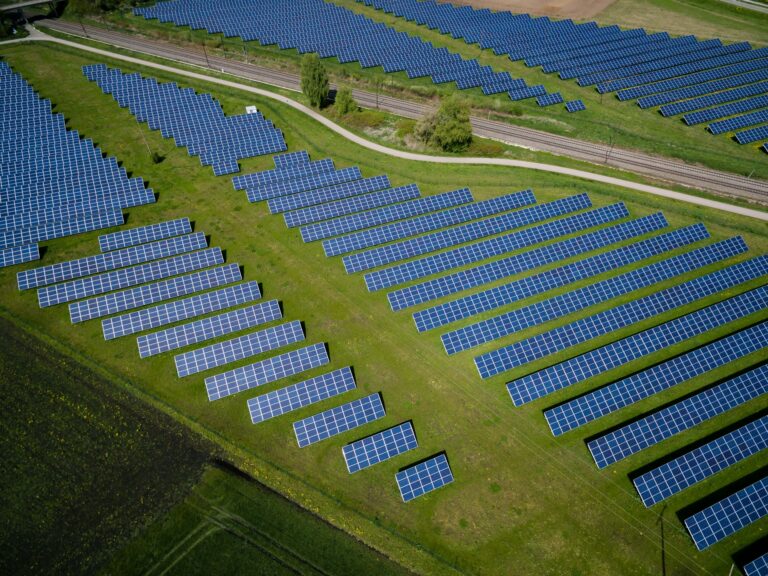
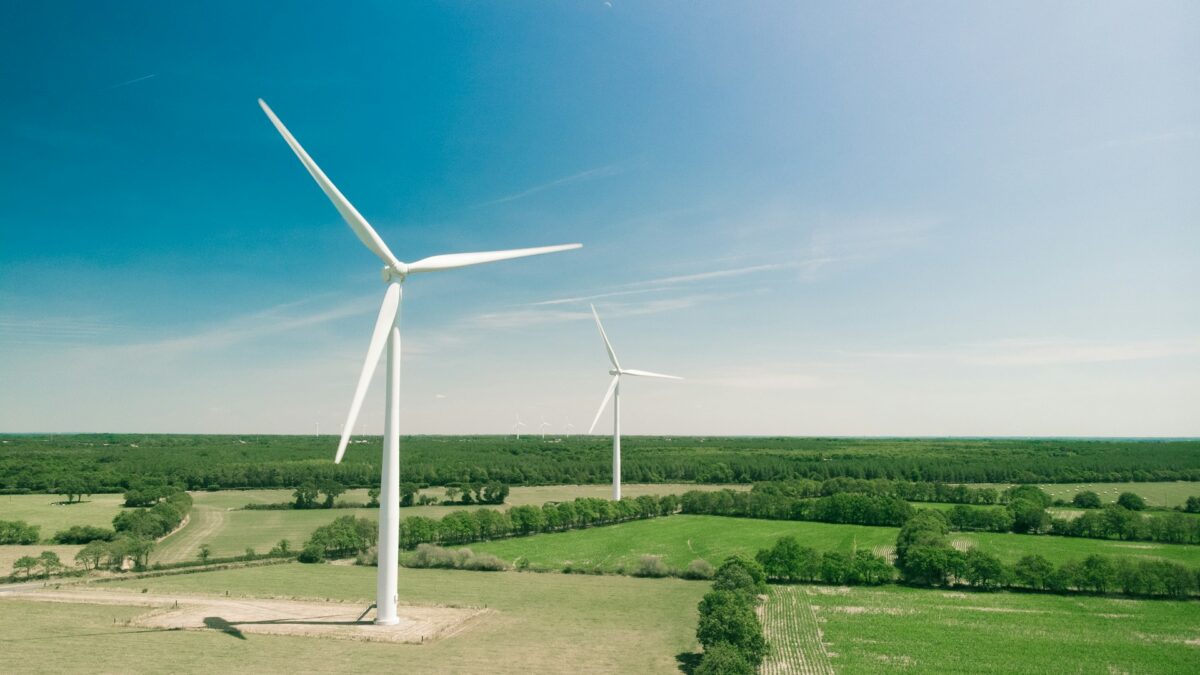
Tamil Nadu is among India’s major renewable energy markets, particularly in wind and solar power. However, renewable generation does not always coincide with periods of peak electricity demand.
Solar generation, for example, is concentrated during daylight hours, while electricity demand can remain high after sunset. Battery storage can help bridge this mismatch by shifting electricity from periods of surplus generation to periods when power is needed most.
The state’s storage expansion is therefore expected to become an important component of its broader renewable energy strategy.
4% Renewable Energy Storage Target by 2029-30
Beyond the immediate 2,500 MWh capacity target, Tamil Nadu has set a longer-term objective of storing 4% of the renewable energy generated in the state by 2029-30.
The annual storage targets are aligned with the Union government’s guidelines and are intended to ensure that the expansion of renewable generation is accompanied by sufficient flexibility in the electricity system.
The development of large-scale BESS could also reduce the state’s dependence on conventional thermal generation for balancing purposes as renewable penetration rises.
A Key Step Towards a Cleaner Power Grid
The storage push marks an important shift in Tamil Nadu’s approach to renewable energy integration.
Rather than simply adding more renewable generation capacity, the state is simultaneously investing in infrastructure that can store, shift and dispatch renewable electricity when required.
With the first 1,000 MWh BESS projects targeted for completion in 2026 and another 1,500 MWh planned by 2027, Tamil Nadu is positioning energy storage as a key pillar of its transition towards a more flexible and renewable-dominated electricity system.
Author

About the Author