By Special Correspondent
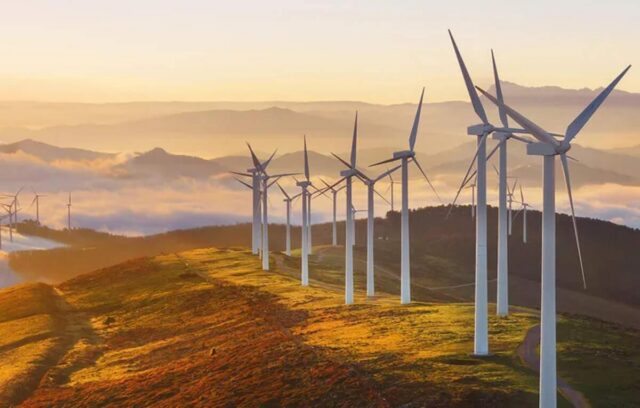
New Delhi: Every gust of wind carries energy that can be transformed into electricity. Across open fields, coastal regions and hilltops, towering wind turbines are quietly converting the force of nature into clean power that lights homes, runs industries and supports essential public services. As India accelerates its renewable energy transition, wind power is playing an increasingly important role in reducing dependence on fossil fuels while helping the country move towards a greener future.
What Is Wind Energy?
Wind energy is the process of converting the natural movement of air into electricity. When sunlight heats the Earth’s surface unevenly, differences in temperature create air movement, commonly known as wind. Instead of letting this energy go unused, modern wind turbines capture it and convert it into electrical power without burning fuel or producing harmful emissions.
How Does a Wind Turbine Work?
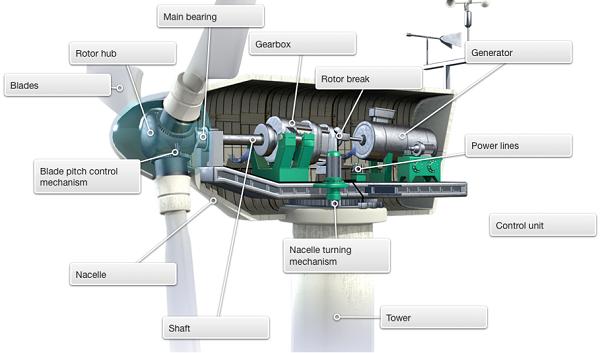
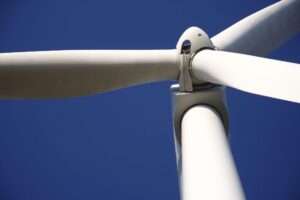
A wind turbine works much like a giant electric fan—but in reverse.
When the wind blows:
- The three large blades begin to rotate.
- The rotating blades turn a main shaft inside the turbine.
- The shaft drives a generator, which converts mechanical energy into electricity.
- A transformer increases the voltage.
- The electricity travels through transmission lines to the national power grid before reaching homes, schools, hospitals and industries.
The Journey of Wind to Electricity
Step 1: Wind Blows
Natural wind strikes the turbine blades.
Step 2: Blades Rotate
The blades capture the wind’s energy and start spinning.
Step 3: Generator Produces Electricity
The spinning shaft powers a generator that converts motion into electricity.
Step 4: Voltage Is Increased
A transformer raises the voltage to reduce transmission losses.
Step 5: Electricity Reaches Consumers
Power is supplied to the electricity grid and distributed across cities and villages.
Why Wind Energy Matters
Unlike coal or gas-fired power plants, wind turbines require no fuel to generate electricity and consume virtually no water during operation. They also emit no greenhouse gases while producing power. Every unit of wind energy generated reduces pollution and helps combat climate change.
Wind farms also create employment opportunities in manufacturing, transportation, installation, operations and maintenance while providing additional income to landowners who lease their land for turbine installations.
Can Wind Turbines Generate Electricity All the Time?
No. Wind turbines only generate electricity when wind speeds are within a suitable operating range.
- Too little wind: The blades do not rotate.
- Ideal wind: Maximum electricity is generated.
- Very strong winds: Turbines automatically shut down to prevent damage.
Because wind availability changes throughout the day, it is often combined with solar power, hydropower and battery storage to ensure a reliable electricity supply.
Where Is Wind Energy Produced in India?
India is among the world’s leading wind energy producers. The largest wind farms are located in:
- Tamil Nadu
- Gujarat
- Karnataka
- Maharashtra
- Rajasthan
These states have strong and consistent wind resources, making them ideal for large-scale renewable energy generation.
How Wind Energy Benefits Everyone
The expansion of wind power offers multiple benefits:
- ✔ Produces clean and renewable electricity
- ✔ Reduces dependence on imported fossil fuels
- ✔ Cuts carbon emissions and air pollution
- ✔ Conserves water compared to thermal power plants
- ✔ Creates thousands of skilled and semi-skilled jobs
- ✔ Strengthens India’s energy security
The Road Ahead
With advancements in turbine technology, taller towers and smarter electricity grids, wind energy is becoming more efficient and affordable than ever before. As India moves towards its ambitious renewable energy targets, wind power will remain one of the key pillars of the country’s clean energy future—turning the simple force of the wind into a reliable source of electricity for millions.
Author

About the Author