
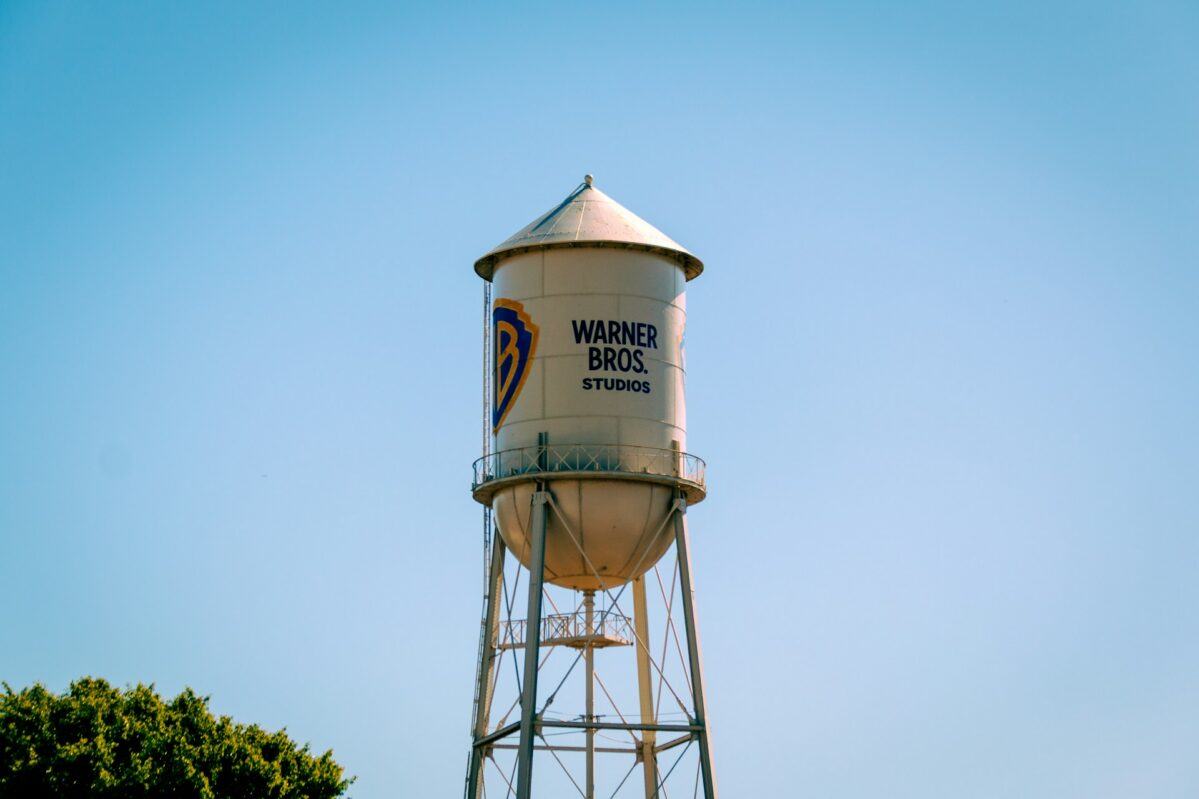
A U.S. federal judge has temporarily halted the proposed $110 billion merger between Paramount Skydance and Warner Bros. Discovery (WBD) after a coalition of 12 U.S. state attorneys general challenged the deal, arguing that it would significantly reduce competition across the entertainment industry.
U.S. District Judge Araceli Martínez-Olguín on Monday issued a 14-day temporary pause on the merger following arguments presented by both parties last week. The ruling temporarily prevents the companies from moving forward with the transaction while the court considers the legal challenge.
The coalition of state attorneys general, led by California Attorney General Rob Bonta, has indicated that it may seek an extension beyond the initial 14-day period, potentially delaying the merger further as legal proceedings continue.
The lawsuit alleges that combining Paramount and Warner Bros. Discovery would substantially reduce competition in several key segments of the media and entertainment industry. According to the attorneys general, the merger could negatively impact movie theatres, cable television distributors and consumers by increasing market concentration.
The states argue that the transaction would lessen competition in three major markets:
- Wide-release theatrical film distribution.
- Distribution of top-grossing theatrical films.
- Licensing of programming to basic cable television providers.
According to the lawsuit, greater consolidation could reduce consumer choice, limit opportunities for creative professionals and increase the market power of a small number of media companies.
Commenting on the court’s decision, California Attorney General Rob Bonta described the temporary injunction as an important early victory in the legal challenge.
Bonta said the coalition believes excessive consolidation in industries that play a central role in American society can reduce competition, weaken innovation and ultimately lead to fewer choices for consumers. He added that the states remain committed to pursuing the case and preventing the merger if it is found to violate antitrust laws.
If completed, the transaction would create one of the world’s largest entertainment companies by combining two major Hollywood studios and several leading television and streaming brands.
The merged company would unite Paramount Pictures and Warner Bros. Pictures, while bringing together streaming platforms Paramount+ and HBO Max under one corporate structure.
The combined entity would also control an extensive portfolio of television networks, including CBS, MTV, CNN, HBO, Comedy Central, Nickelodeon, TNT, TBS and several other widely distributed media brands.
Supporters of the merger argue that greater scale is essential for competing against rapidly growing global streaming platforms such as Netflix, Amazon Prime Video and Disney+ in an increasingly competitive entertainment market.
Responding to the lawsuit, a spokesperson for Paramount rejected the antitrust claims, stating that the legal arguments presented by the state attorneys general do not reflect the realities of today’s media landscape.
The company said it remains confident that the evidence will demonstrate the merger is lawful, promotes competition and would benefit consumers, creators, employees and the broader entertainment industry. Paramount added that it intends to vigorously defend the transaction during future court proceedings.
Earlier this year, Paramount CEO David Ellison stated that the company expected the acquisition to be completed by September, subject to regulatory approvals. However, the latest legal challenge could significantly delay that timeline if additional court orders are issued.
The proposed merger has also attracted criticism from filmmakers, actors and industry organisations, many of whom have expressed concerns that continued consolidation within Hollywood could reduce opportunities for independent productions, weaken bargaining power for creative professionals and further concentrate control over film and television distribution.
Warner Bros. Discovery had not publicly commented on the court’s decision at the time of reporting.
The case highlights the increasing scrutiny that large corporate mergers face from U.S. regulators and state governments, particularly in industries where consolidation may affect competition, consumer choice and market diversity. The outcome of the legal proceedings could have significant implications for future mergers involving major media and technology companies.
Disclaimer: This report has been editorially prepared using publicly available information and official statements. Readers are advised to refer to official court filings and company announcements for further developments.
Author

About the Author