Teraco, a Digital Realty company and a major data centre operator in Africa, is expanding its renewable energy programme by combining contracted wind power with a large-scale solar project to meet the growing electricity requirements of its data centres.
The company has begun receiving wind-generated electricity through South Africa’s national and municipal power networks, with the first renewable electricity from its contracted independent power producer (IPP) reaching its Cape Town data centres in September 2026.
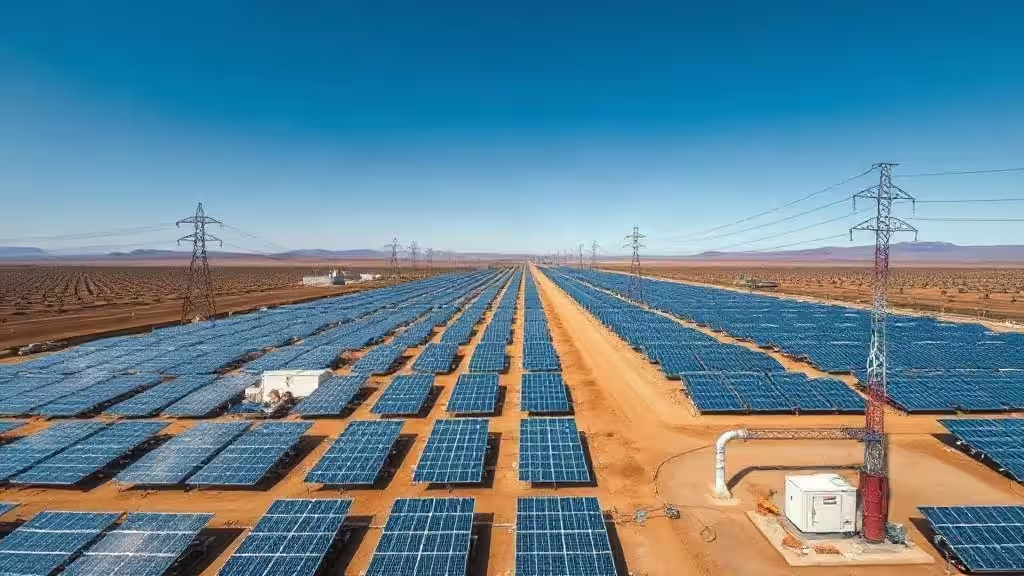
Alongside the wind power arrangements, Teraco is progressing with its 120 MW Sediba solar photovoltaic plant in the Free State province. The initiative forms part of the company’s strategy to increase renewable electricity procurement while supporting improvements to South Africa’s power grid.
Wind Energy Now Reaching Cape Town Data Centres
Teraco’s first contracted wind energy supply is being transmitted through Eskom’s electricity network and municipal grids to its data centre facilities in Cape Town.
The arrangement uses renewable energy wheeling, a mechanism that enables electricity generated at a facility in one location to be transmitted through existing power networks to consumers in another location.
The company’s wind power agreements complement its solar generation plans. Wind power can generate electricity during evenings, overnight and early mornings, helping address periods when solar generation is unavailable.
This combination is particularly relevant for data centres, which operate continuously and require reliable electricity throughout the day and night.
₹? ZAR 3.5 Billion Investment in 120 MW Solar Plant
Teraco has committed approximately ZAR 3.5 billion (around US$195 million) towards its self-build solar programme, with the Sediba project serving as its initial development.
The 120 MW solar photovoltaic plant is located in South Africa’s Free State province. Teraco will own the facility and transmit its electricity through Eskom’s network and the municipal electricity networks of Ekurhuleni and Cape Town, where its data centres operate.
The company began construction of the project in 2024. Grid-related works have been completed, while mechanical completion and grid energisation are scheduled for December 2026.
Hot commissioning and renewable generator compliance testing are expected to follow in early 2027.
Once fully operational, the Sediba plant is expected to generate approximately 354 GWh of electricity annually and offset an estimated 348,000 tonnes of carbon dioxide emissions.
Grid Investment to Support Wider Renewable Energy Development
Teraco’s renewable energy programme also includes investment in South Africa’s electricity infrastructure.
Connecting the Sediba solar plant to the national grid required an upgrade to the switching station at Eskom’s Scafell substation. Teraco funded and constructed the 500 MVA switching station upgrade.
The infrastructure improvement is expected to provide approximately 380 MVA of additional grid capacity for other renewable energy projects.
This means the investment could support renewable energy developers beyond Teraco’s own electricity requirements by creating additional capacity for connecting new generation facilities to the grid.
The company has also been working with Eskom and the municipalities of Ekurhuleni and Cape Town to develop the arrangements required to transmit renewable electricity to its data centres.
Renewable Energy to Support Growing AI and Cloud Demand
The expansion comes as demand for data centre capacity increases in South Africa and internationally, driven by cloud computing, artificial intelligence and the wider digital economy.
Data centres require substantial and uninterrupted electricity to operate servers, networking equipment and cooling systems. As computing requirements increase, their energy consumption and associated emissions are receiving greater attention.
Teraco’s approach combines investment in new renewable generation with contracted electricity from independent power producers and improvements to the electricity grid.
Further wind projects are expected to come online during 2027, adding to the company’s renewable electricity supply and complementing the daytime generation from its solar plant.
Target of 100% Renewable Energy by 2035
Teraco has outlined a long-term ambition to transition towards 100% renewable energy by 2035.
Its strategy involves developing new renewable generation capacity, entering into power purchase agreements with independent producers and supporting the electricity infrastructure needed to transmit clean power.
The company expects its electricity consumption to continue increasing as customers expand their computing operations. Its renewable energy programme is intended to help reduce the emissions associated with that growth.
The initiative also highlights the importance of energy planning for data centre operators as artificial intelligence and cloud infrastructure expand across African markets.
By combining solar generation, wind power procurement and grid investment, Teraco is seeking to align the expansion of its digital infrastructure with a greater share of renewable electricity.
Disclaimer: This report has been editorially prepared using publicly available information and official company disclosures. Readers are advised to refer to official company announcements and disclosures for further details.
Author

About the Author