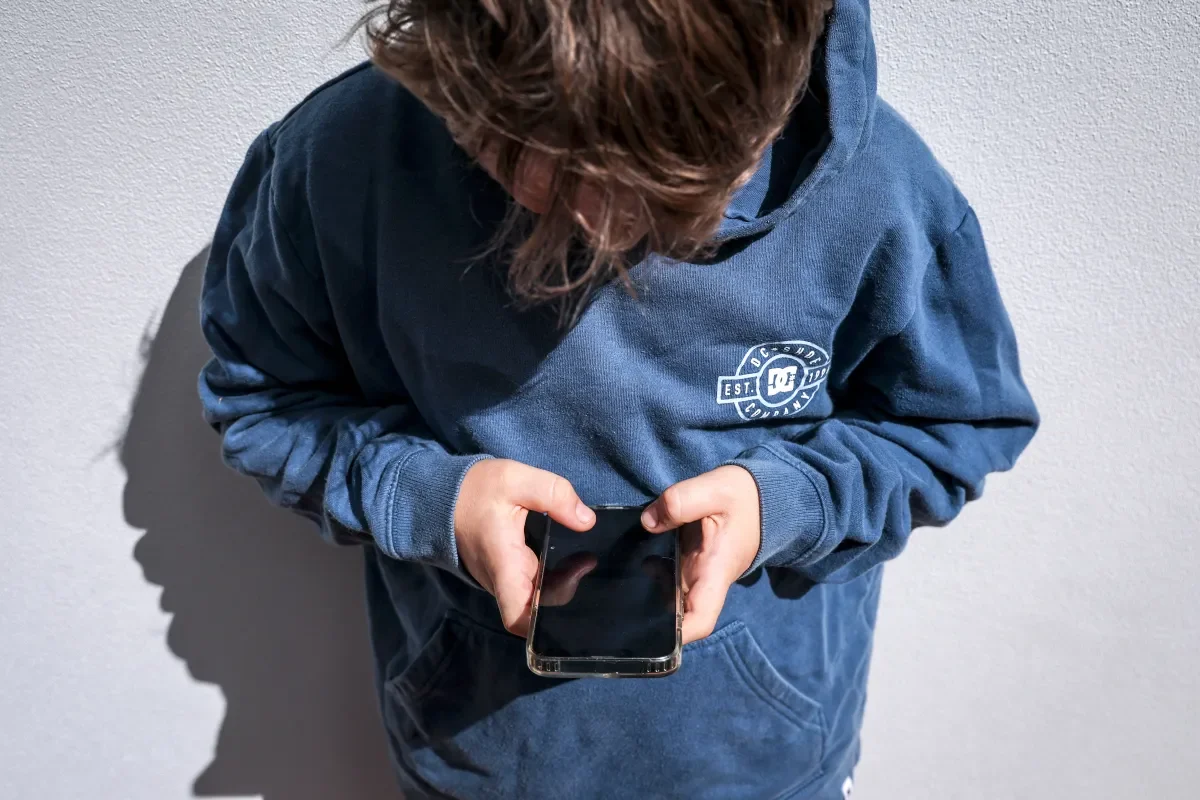
Governments across the world are moving aggressively to regulate children’s access to social media, with a growing number of countries introducing or proposing age-based restrictions aimed at protecting young users from cyberbullying, online predators, addiction and mental health risks.
The global movement gained momentum after Australia became the first country to implement a nationwide social media ban for children under 16, setting a precedent that several other nations are now following. Most recently, France approved similar legislation, adding to the growing list of countries pursuing stricter digital safety laws.
While supporters argue that such measures are necessary to safeguard children’s wellbeing, critics have raised concerns about privacy, age verification systems and the effectiveness of outright bans.
Australia Leads the Way
Australia made history in December 2025 by becoming the world’s first country to prohibit children under the age of 16 from accessing major social media platforms.
The restrictions apply to platforms including:
- Snapchat
- Threads
- TikTok
- X
- YouTube
- Twitch
- Kick
Messaging services such as WhatsApp and children’s platform YouTube Kids are exempt from the law.
Under the legislation, technology companies are responsible for preventing underage users from accessing their platforms. Companies failing to comply face penalties of up to AUD 49.5 million (approximately US$34.4 million).
The government has also instructed platforms to implement robust age verification mechanisms rather than relying solely on users entering their date of birth.
France Joins the Movement
France recently passed legislation banning social media access for children under 15 years of age.
The law, approved on July 21, is expected to come into force as early as September 1.
Alongside the social media restrictions, France has expanded its existing school mobile phone policy by extending the ban on mobile phones to high schools, complementing restrictions already in place for primary and middle schools.
More Countries Preparing Similar Laws
Several governments are now pursuing comparable legislation.
Austria
Austria plans to prohibit social media access for children under 14, with draft legislation expected to be finalised during 2026.
Canada
Canada has introduced a Digital Safety Bill proposing to ban social media for users under 16. Platforms could avoid restrictions if they demonstrate strong child safety protections. The legislation may take approximately one year to become law.
Denmark
Denmark intends to ban social media for children under 15 after securing political support across government and opposition parties. The country is also developing a national digital identity application with built-in age verification capabilities.
Germany
Germany’s conservative leadership has proposed restricting social media for children under 16, although coalition partners have expressed reservations regarding a complete ban.
Greece
Greece plans to prohibit social media access for children under 15 beginning in January 2027, citing concerns over anxiety, sleep disorders and addictive platform designs.
Indonesia
Indonesia has announced plans to ban children under 16 from accessing platforms including YouTube, TikTok, Facebook, Instagram, Threads, X, Bigo Live and Roblox.
Malaysia
Malaysia intends to implement restrictions for children under 16, with implementation expected during this year.
Poland
Poland’s government is preparing legislation restricting social media access for children under 15.
Slovenia
Slovenia is drafting laws prohibiting users under 15 from accessing platforms such as TikTok, Snapchat and Instagram.
Spain
Spain plans to restrict social media access for children under 16 while also proposing legislation that would make social media executives personally accountable for hate speech hosted on their platforms.
Turkey
Turkey’s parliament has approved legislation restricting social media for children under 15, although the bill still requires presidential approval before becoming law.
United Kingdom
The UK government has announced plans to prohibit social media use by children under 16, with implementation expected by spring 2027.
The proposed restrictions would apply to platforms including TikTok, Snapchat, Instagram, Facebook, YouTube and X, while messaging applications such as WhatsApp and Signal would remain unaffected.
The UK also plans to introduce age restrictions for AI-powered “romantic companion” chatbots, limiting their use to adults aged 18 and above.
Balancing Child Safety and Digital Rights
Governments argue that restricting children’s access to social media can help reduce:
- Cyberbullying
- Online exploitation
- Mental health challenges
- Social media addiction
- Exposure to harmful or inappropriate content
However, digital rights organisations, including Amnesty Tech, have criticised blanket bans, arguing that they may not effectively address the root causes of online harm while raising concerns over user privacy, age verification technologies and excessive government intervention.
Experts also note that enforcing such restrictions presents significant technical challenges, particularly in verifying users’ ages without collecting excessive personal information.
A Growing Global Trend
Despite ongoing debate, the number of countries pursuing age-based social media regulation continues to grow.
As concerns surrounding children’s online safety intensify, governments worldwide are increasingly placing responsibility on technology companies to develop stronger safeguards and age verification systems.
The coming years are expected to determine whether these regulations successfully improve child safety online or prompt new discussions around privacy, digital rights and responsible platform governance.
Disclaimer: This report has been editorially prepared using publicly available information and official government announcements. Readers are advised to refer to respective government notifications for country-specific implementation timelines and legal provisions.
Author

About the Author