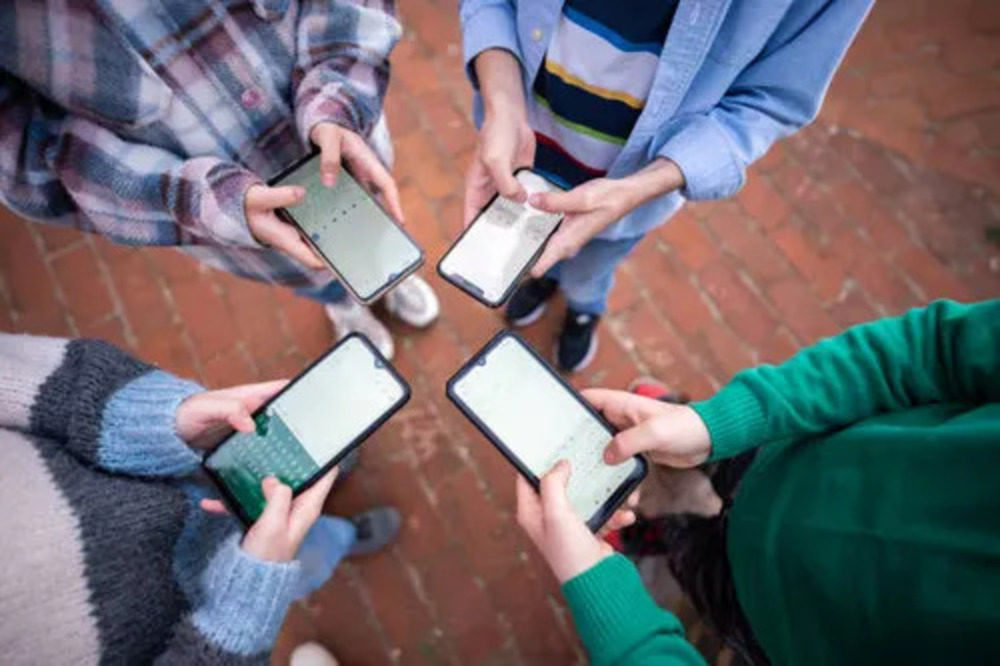
June 29: Australia has announced tougher enforcement measures for its landmark social media ban for children, doubling the maximum penalties for technology companies that fail to prevent users under the age of 16 from creating accounts.
Under the proposed changes, the maximum fine for platforms found to have systematically breached the law will increase from A$49.5 million to A$99 million (around $68 million).
The government will also strengthen the powers of the country’s internet regulator, the eSafety Commissioner, allowing it to compel social media companies to provide evidence of the measures they have taken to enforce the age restriction. The regulator will also be able to seek information from third-party providers, including age-verification and app store operators.
Australian Prime Minister Anthony Albanese said major technology companies were still not doing enough to comply with the legislation despite the ban being in force for six months.
The government confirmed that investigations are ongoing into the compliance of platforms including Facebook, Instagram, YouTube, Snapchat and TikTok.
According to official figures, more than 5 million under-16 accounts have been removed or restricted since the law came into effect. However, recent studies indicate that many teenagers continue to access social media by bypassing age verification systems.
A study published in the British Medical Journal found that 85% of Australian children aged 12 to 15 were still using social media three months after the ban was introduced. Many reportedly gained access by falsely declaring they were over 16 or by using selfie-based age verification systems that accepted them as adults.
Communications Minister Anika Wells said some social media companies were doing the bare minimum to comply with the legislation and accused major platforms of using tactics to avoid stronger enforcement.
The proposed amendments are expected to be introduced in Parliament in the coming months. Meanwhile, online platform Reddit has challenged the legislation in Australia’s highest court, arguing that the ban infringes on free speech.
Author

About the Author