
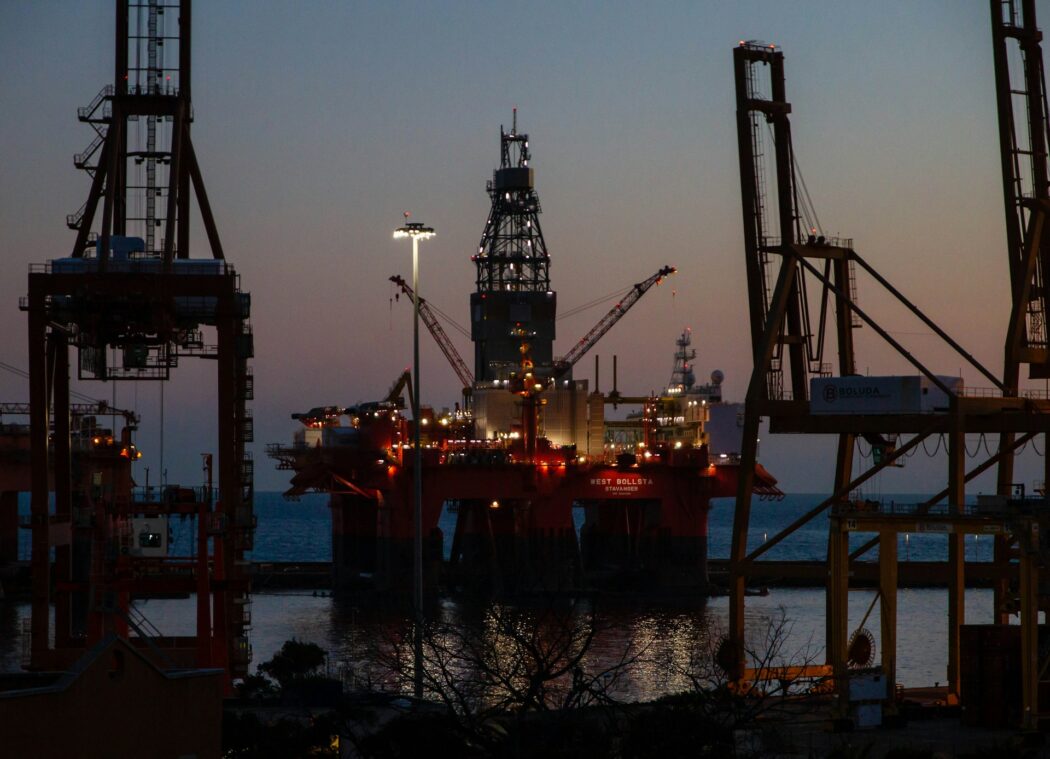
Oil exports from the Gulf rebounded sharply in June as shipping through the Strait of Hormuz returned to normal following the easing of regional tensions. According to cargo tracking data, combined crude and condensate exports from Saudi Arabia, the United Arab Emirates (UAE), Kuwait, Iraq and Iran increased by more than 3 million barrels per day (bpd) compared to May, crossing the 10 million bpd mark. The recovery comes after the United States helped secure commercial shipping routes during the recent conflict, allowing millions of barrels of stranded crude to finally reach international markets.
Despite the strong rebound, export volumes remain significantly below normal levels. Analysts estimate Gulf oil exports are still around 40% lower than pre-conflict levels, highlighting that while supply chains have improved considerably, the region’s oil trade has not yet fully returned to normal. The increase in shipments has also helped ease global supply concerns, bringing international crude prices back to levels seen before the conflict escalated.
The United Arab Emirates emerged as the biggest contributor to the recovery, recording its highest-ever monthly crude exports. Data from Kpler, Vortexa and LSEG showed UAE exports reached between 3.7 million and 3.8 million barrels per day during June, representing an increase of more than 1 million barrels per day compared to May. The record shipments enabled producers to clear a large portion of the crude that had remained stranded inside the Gulf during the shipping disruptions.
According to Kpler, combined exports from the five major Gulf producers climbed to 10.07 million barrels per day in June. Meanwhile, analytics firm Vortexa estimated slightly higher flows of around 10.2 million barrels per day, compared with approximately 7 million barrels per day in May. However, the June figures still remain well below the 16.5 million barrels per day exported during the same period last year, indicating there is still room for further recovery.
Market analysts attribute the improvement largely to the June 17 agreement between the United States and Iran, which reduced military tensions and restored confidence in shipping through the Strait of Hormuz—one of the world’s most critical energy transit routes. Following the agreement, the backlog of oil tankers waiting to pass through the strait began clearing rapidly. Kpler analyst Johannes Rauball noted that around 23 million barrels of crude remain waiting for transit, compared to a peak floating storage volume of nearly 96 million barrels recorded in late April.
Shipping activity through the strategic waterway also recovered significantly. Shipbroker BRS reported that 98 oil tankers crossed the Strait of Hormuz between June 22 and June 28, averaging about 14 vessels per day, the highest traffic recorded since the conflict began. The fleet included 47 fully loaded outbound tankers and 41 empty vessels entering the Gulf, indicating that shipping companies have regained confidence in operating within the region.
Saudi Arabia also substantially increased exports during June. According to Kpler data, Saudi crude shipments rose by approximately 768,000 barrels per day, reaching 4.52 million barrels per day. Weekly exports later climbed close to 6.3 million barrels per day, approaching the country’s January loading levels as Riyadh accelerated shipments from its major export terminal at Ras Tanura.
During the conflict, both Saudi Arabia and the UAE managed to maintain a portion of their exports by utilising pipeline networks that bypass the Strait of Hormuz, an option that is largely unavailable to Iraq and Kuwait. The UAE’s state-owned energy company ADNOC also deployed a tanker shuttle system to sustain crude exports while maritime traffic remained disrupted.
Exports from Iraq and Kuwait recovered to around 800,000 barrels per day each, according to Vortexa. Kuwait also increased domestic oil production sharply during June to approximately 1.65 million barrels per day. Meanwhile, Iran raised its exports by more than 70%, reaching around 640,000 barrels per day, as easing restrictions and improved shipping conditions allowed additional cargoes to reach global buyers.
The sharp recovery in Gulf exports is expected to provide greater stability to international energy markets in the coming weeks. However, analysts caution that geopolitical developments in the Middle East will continue to play a critical role in determining oil supply, shipping activity and price movements across global markets.
Disclaimer: This report has been editorially prepared using publicly available information and agency inputs. While every effort has been made to ensure accuracy, unintentional errors or omissions may occur. Readers are encouraged to verify critical information from official sources.
Author

About the Author