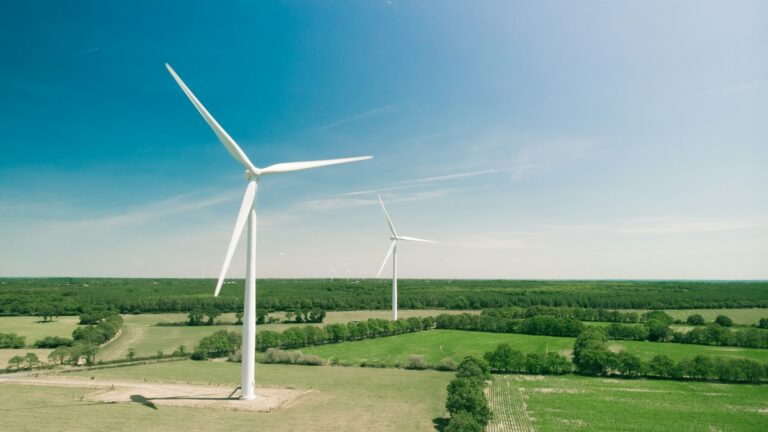

New Delhi, June 28: The Adani Group has outlined an ambitious roadmap to expand its clean energy footprint, targeting 50 GW of renewable energy capacity by 2030 and building a 10 GW nuclear energy portfolio by 2035 as part of its long-term strategy to strengthen India’s energy security.
The announcement was made by Sagar Adani, Executive Director of Adani Green Energy Limited (AGEL), during the inaugural Adani Green Energy Dialogue held at the Science Museum in London in partnership with the Energy Transitions Commission (ETC).
Speaking at the event, Sagar Adani said the group is making significant investments across the clean energy value chain, including large-scale renewable energy projects, pumped hydro storage, utility-scale battery energy storage systems, transmission infrastructure, and green hydrogen ecosystems.
He emphasised that India requires rapid and large-scale energy expansion to meet rising electricity demand while ensuring affordability, sustainability, and energy security.
According to Sagar Adani, India’s total energy consumption stood at around 10,000 terawatt-hours (TWh) in 2024 across all energy sources, including coal, oil, natural gas, nuclear, and renewables. To meet future demand, the country will need to add nearly 2,000 GW of new power generation capacity over the next two decades.
He stressed that achieving this goal would require a balanced energy mix, combining renewable energy, hydropower, efficient thermal generation, and nuclear power to ensure reliable baseload electricity while reducing dependence on imported fuels.
The Adani Group believes that investments in energy storage and transmission will play a crucial role in integrating renewable energy into the grid and improving power reliability across the country.
Sagar Adani also highlighted the role of government policy reforms in accelerating infrastructure development, renewable energy deployment, and private sector investment, noting that regulatory clarity and long-term policy continuity have strengthened India’s energy transition.
The company’s renewable energy expansion, coupled with its planned nuclear portfolio, reflects its broader strategy to build one of the world’s largest integrated clean energy platforms while supporting India’s transition towards a secure, affordable, and low-carbon energy future.
Author

About the Author