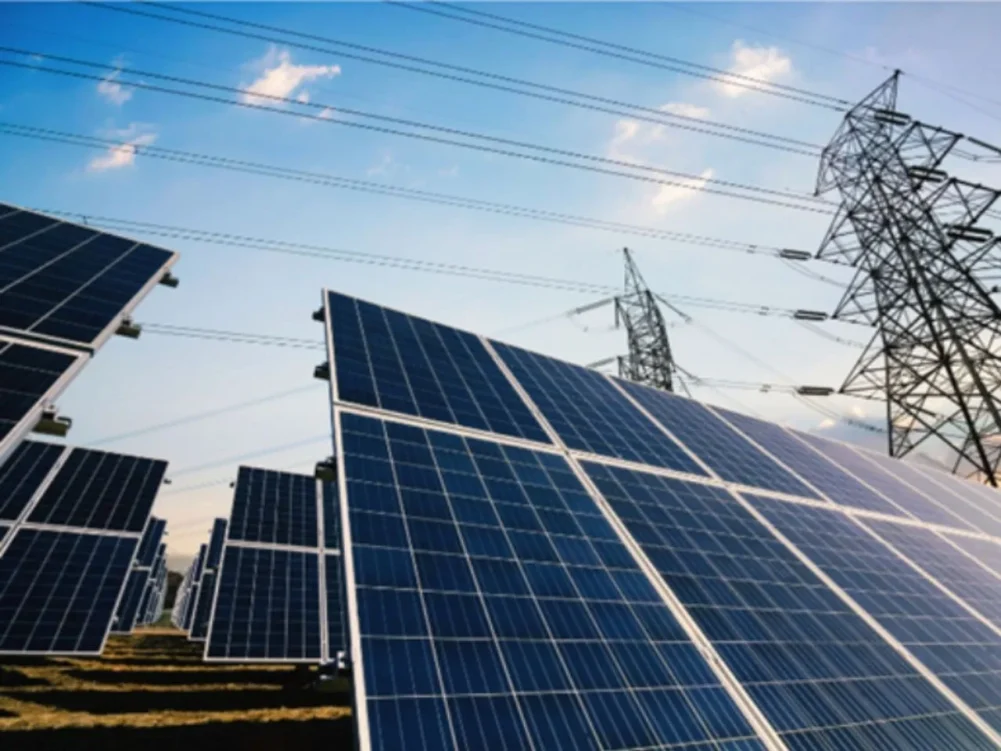
The rapid expansion of renewable energy is transforming the global power sector, but record clean-energy growth alone may not be enough to drive a sustained decline in greenhouse gas emissions, according to new assessments from the United Nations Environment Programme (UNEP) and the Energy Transitions Commission (ETC).
The reports highlight what the ETC describes as a “paradox of progress”: investment in clean energy has reached unprecedented levels, renewable capacity continues to expand and electricity systems are becoming increasingly electrified, yet rising demand from artificial intelligence data centres, cooling systems, transport and other energy-intensive sectors is absorbing a significant share of those gains.
At the same time, overloaded and outdated electricity grids are preventing large amounts of renewable capacity from being connected to consumers. The result is a global energy transition in which clean-energy deployment is accelerating, but emissions are not yet declining at the pace required to meet climate goals.
UNEP Warns of a Warming Overshoot
The new UNEP report argues that limiting global warming to 1.5°C is no longer realistically achievable without a temporary overshoot, but says the world can still work toward returning below the threshold if emissions are reduced rapidly.
Its proposed pathway is described as “overshoot, peak and decline” — limiting the magnitude and duration of warming before bringing global temperatures back down.
The report’s best-case scenario projects warming of around 1.8°C, while other pathways could result in warming exceeding 2°C.
UN Secretary-General António Guterres has warned that every additional fraction of a degree of warming would increase risks to lives, livelihoods and ecosystems, reinforcing the need to keep any temperature overshoot as small and short as possible.
Renewable Energy Growth Is Being Outpaced by New Demand
Renewable energy remains one of the most important tools available for reducing emissions, but the rapid increase in electricity demand is complicating the transition.
Global investment in clean energy has reached around €1.9 trillion annually. Despite this unprecedented level of investment, the ETC assessment indicates that new clean-energy supply is currently meeting only around 40% of the increase in energy demand.
Several emerging sources of demand are contributing to the challenge.
Heatwaves are increasing the use of air-conditioning and cooling systems, while the rapid expansion of artificial intelligence is creating substantial new electricity requirements for data centres.
According to figures cited from the International Energy Agency, data-centre electricity consumption increased by 17% in 2025 and accounted for approximately 1.5% to 2% of global electricity consumption. That demand is expected to double by 2030.
The growing concentration of large data centres is also placing additional pressure on electricity grids, particularly in regions where grid infrastructure has struggled to keep pace with new demand.
Grid Constraints Are Limiting Renewable Deployment
One of the most significant barriers to converting renewable-energy growth into deeper emissions reductions is the lack of adequate grid infrastructure.
Renewable projects in major markets are increasingly facing lengthy connection queues as electricity networks struggle to accommodate new generation and large new consumers.
In Europe, around 375 GW of renewable capacity is reportedly waiting for grid connections, while projects representing approximately 2,300 GW are in US interconnection queues.
These constraints can result in renewable electricity being curtailed or projects being delayed, meaning that clean-generation capacity cannot always deliver its full potential.
The pressure is particularly significant as data-centre developers and other major electricity consumers compete for limited grid capacity. In some cases, developers are turning to onsite power systems, including solar and gas-based microgrids, to avoid lengthy grid-connection delays.
Emissions Are Plateauing Instead of Falling
Despite the rapid expansion of renewable energy, global emissions have been plateauing rather than declining sufficiently, according to the ETC assessment.
Without a faster reduction in emissions, the world could remain on a trajectory toward around 2.5°C of warming.
The challenge extends beyond electricity generation. Electricity currently represents only around one-fifth of total global energy consumption, meaning that decarbonising power generation alone cannot deliver the emissions reductions required.
Heating, industrial processes and transport will also need to move away from fossil fuels through electrification, efficiency improvements and other low-emission technologies.
Methane Reduction Offers a Fast Climate Opportunity
Both the UNEP and ETC assessments identify methane reduction as an important near-term opportunity.
Methane is significantly more potent than carbon dioxide as a greenhouse gas, although it remains in the atmosphere for a considerably shorter period. Cutting methane emissions can therefore deliver relatively rapid climate benefits.
The reports highlight measures targeting methane releases from oil and gas operations, food waste and landfills.
Reducing methane emissions alongside carbon dioxide could help slow the rate of warming while longer-term decarbonisation measures take effect.
Renewables Need to Reach 60–70% of Global Electricity by 2030
Renewable sources generated almost 34% of global electricity in 2025. UNEP’s assessment indicates that increasing this share to around 60–70% by 2030 would improve the prospects of achieving a limited-overshoot climate pathway.
The target is broadly aligned with the international commitment made at COP28 to triple global renewable-energy capacity by the end of the decade.
However, expanding generation alone will not be sufficient. The reports emphasise the need for simultaneous investment in electricity storage, demand flexibility and transmission and distribution networks.
The ETC also points to the substantial volume of clean-energy capacity already funded but waiting for grid connections. Accelerating grid development could therefore unlock significant amounts of renewable electricity without requiring all of the growth to come from entirely new projects.
Faster Emissions Cuts Could Reduce Reliance on Carbon Removal
The UNEP report also highlights the importance of limiting dependence on carbon dioxide removal technologies.
Carbon removal could play an important role in addressing residual emissions and helping reverse an eventual temperature overshoot. However, the technologies involved remain uncertain in terms of their future scale, cost and deployment.
UNEP therefore argues that faster emissions reductions today would reduce the amount of carbon removal required in the future.
At the same time, responsible development, monitoring and scaling of carbon dioxide removal could remain an important component of longer-term climate strategies.
Energy Efficiency and Demand Reduction Become Increasingly Important
Reducing the amount of energy required to provide essential services is another major component of the pathway outlined by the reports.
Potential measures include improving energy efficiency in buildings and industrial facilities, electrifying heating and cooling, and encouraging lower-energy transport options.
Changes in diets and other consumption patterns could also contribute to lower emissions.
However, UNEP cautions that these changes cannot be placed solely on individual consumers. Policy measures, infrastructure investment and market reforms will be necessary to make lower-emission choices accessible and practical at scale.
The Next Phase of the Energy Transition Will Depend on Integration
The latest assessments point to a fundamental shift in the global energy challenge.
The world is no longer struggling simply to demonstrate that renewable technologies can be deployed at scale. Solar and wind power are expanding rapidly, clean-energy investment has reached record levels and electrification is accelerating.
The more difficult task is integrating that growth into electricity systems while simultaneously managing rapidly increasing demand.
That means building transmission and distribution networks faster, expanding energy storage, improving demand flexibility, electrifying sectors outside the power system and reducing methane emissions. It also means replacing high-emission infrastructure while avoiding new investments that lock economies into fossil-fuel dependence.
The central message from the reports is that the renewable-energy boom provides an essential foundation for climate action, but it will not automatically translate into falling global emissions. Turning record clean-energy deployment into meaningful climate progress will require grids, storage, efficiency and policies to advance at a pace comparable to renewable generation itself.
Disclaimer: This report has been editorially prepared using publicly available information and official statements. Readers are advised to refer to official announcements for further details.
Author

About the Author