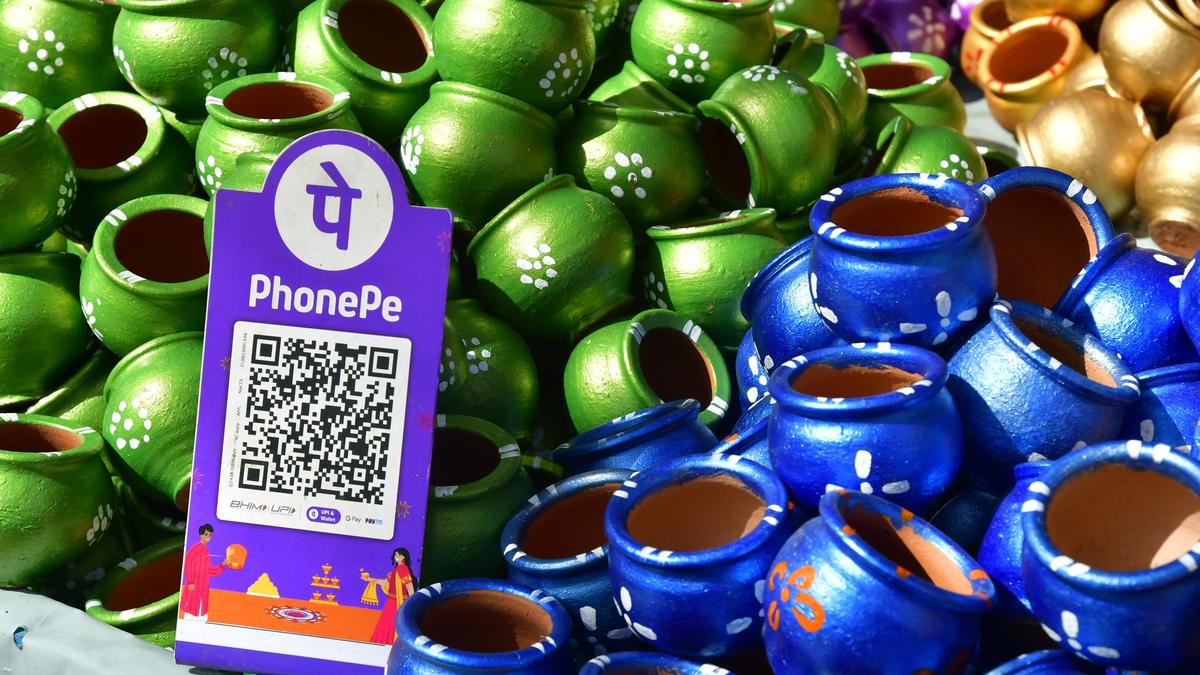
The Indian government has clarified that consumers will not be charged for using UPI, while the vast majority of merchant transactions on the digital payments platform will also continue to remain free.
The clarification comes amid growing speculation following a proposed amendment to the Payment and Settlement Systems Act, 2007, which had raised concerns that the government could introduce charges on UPI transactions.
The government said the proposed amendment is only an enabling provision and does not itself impose any transaction fee or Merchant Discount Rate (MDR).
No Charges on Person-to-Person UPI Payments
According to the government, all person-to-person UPI transactions will remain completely free.
Consumers using UPI to transfer money to friends, family or other individuals will therefore not have to pay a transaction charge under the proposed framework.
The government also reiterated its commitment to keeping UPI affordable and accessible for citizens as digital payments continue to expand across India.
Limited MDR Could Apply to Some Merchant Payments
While users will continue to enjoy free UPI transactions, the government said a future Merchant Discount Rate (MDR) could potentially be introduced for a limited category of merchant transactions.
If implemented, the charge would:
- Apply only above a specified transaction threshold
- Cover a limited set of merchant transactions
- Be imposed at a nominal rate
- Remain lower than typical debit and credit card MDRs
- Leave the vast majority of merchant UPI payments free
The government has not yet specified the exact threshold or rate.
NPCI Committee to Decide on MDR
The clarification follows the Lok Sabha’s passage of the Taxation and Other Laws (Amendment) Bill, 2026, which proposes changes to Section 10A of the Payment and Settlement Systems Act.
If Parliament passes the legislation, the UPI and Services Steering Committee headed by NPCI will determine whether an MDR should be introduced and, if so, how it would be structured.
The government stressed that the amendment should not be interpreted as an immediate decision to impose charges on ordinary UPI users.
Why Is the Government Considering MDR?
UPI has experienced enormous growth since its launch in 2016-17, increasing the need for continued investment in the underlying payment infrastructure.
The government said a sustainable revenue mechanism could help support:
- Cybersecurity
- Fraud prevention
- Payment infrastructure
- Technological upgrades
- Expansion of UPI into rural and semi-urban areas
- Long-term resilience of the payment ecosystem
The objective is to ensure that UPI can continue operating at massive scale without compromising security or affordability.
UPI Processes 2,366 Crore Transactions in July
The scale of India’s UPI ecosystem has grown dramatically.
In July 2026 alone, UPI processed 2,366 crore transactions worth ₹29.9 lakh crore, according to the government.
UPI has also expanded internationally and is currently live in 11 foreign countries, with several other nations showing interest in adopting or integrating India’s real-time payment infrastructure.
The platform has consequently become one of the world’s largest real-time payment systems and a major component of India’s digital economy.
Government Says UPI Will Remain Free for Citizens
The government said UPI is an Indian innovation that has transformed the country’s digital payments ecosystem and reiterated that it intends to keep the service free for citizens.
At the same time, policymakers want the ecosystem to become financially sustainable as transaction volumes continue to grow and new security and technological challenges emerge.
The government has urged citizens to rely on official information from the Ministry of Finance, RBI and NPCI rather than unverified claims circulating online.
The proposed changes therefore do not mean that users will suddenly start paying for every UPI transaction. Person-to-person payments will remain free, while any future merchant MDR would be targeted, threshold-based and designed to keep the majority of transactions free.
Author

About the Author