
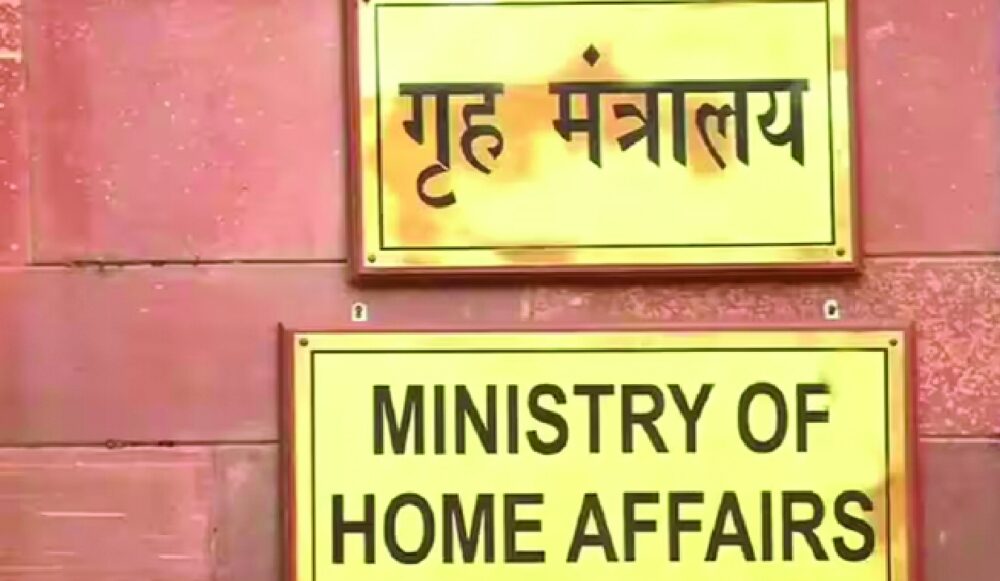
The Ministry of Home Affairs (MHA) has initiated a review of the role played by non-governmental organisations (NGOs) in the recent student protests held across Delhi and other parts of the country, with a focus on examining possible funding, organisational support and external involvement.
According to sources, the Internal Security Division of the MHA convened a meeting with law enforcement and intelligence agencies to assess whether any NGOs were involved in organising, financing or promoting demonstrations led by the Cockroach Janata Party (CJP) during June and July 2026.
The protests centred on alleged irregularities in competitive examinations, including NEET, with demonstrators demanding reforms in the examination system, compensation for affected students’ families and the resignation of the Union Education Minister. The movement, which began through student-led mobilisation on social media, later expanded into sit-ins at Jantar Mantar, marches towards Parliament and demonstrations that witnessed clashes with security personnel.
Authorities said the review forms part of the government’s broader monitoring framework under the Foreign Contribution (Regulation) Act (FCRA), which regulates foreign funding received by NGOs and other organisations. Officials are examining whether any external entities provided financial, logistical or digital support during the protests.
The ministry’s review also comes amid tighter oversight of foreign-funded organisations following regulatory changes introduced in 2026. Over the past decade, thousands of FCRA registrations have either been cancelled or allowed to lapse over concerns related to financial transparency, misuse of foreign contributions and activities considered contrary to public interest.
The student movement received support from various student groups, activists and civil society organisations during its course. While the government ultimately accepted several demands and the Education Minister resigned, authorities continue to analyse the organisational structure, funding channels and online mobilisation associated with the protests.
Officials said such inter-agency meetings typically involve representatives from central and state police forces, intelligence agencies and enforcement bodies. The objective is to gather field intelligence, assess mobilisation patterns and recommend appropriate regulatory or preventive measures wherever necessary to maintain public order.
The developments highlight the government’s continued emphasis on monitoring the financial and organisational ecosystem surrounding large-scale public protests while balancing regulatory oversight with the functioning of civil society organisations.
Author

About the Author


