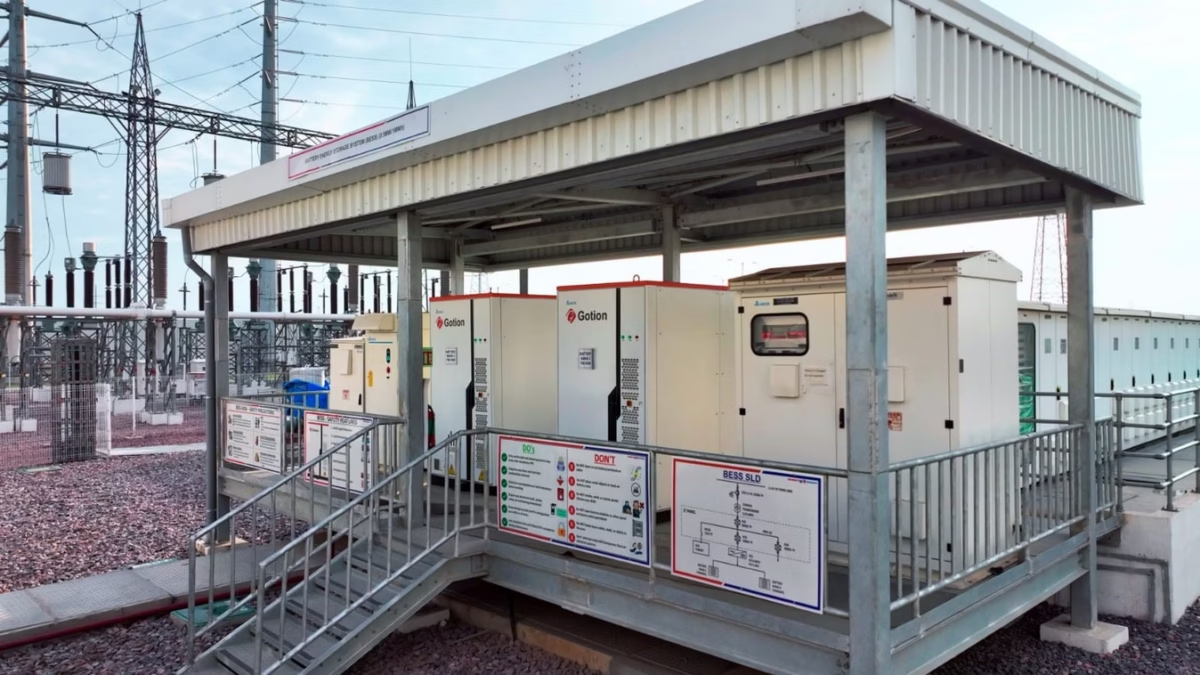
Maruti Suzuki India Limited has commissioned a 1 MWh Battery Energy Storage System (BESS) at its manufacturing facility in Industrial Model Township (IMT), Kharkhoda, Haryana, marking another step towards improving renewable energy utilisation and reducing carbon emissions.
The battery storage system has been introduced to capture and store excess electricity generated from the plant’s 20 MWp solar power project, which was commissioned in 2025. Earlier, a significant portion of solar energy generated during holidays or periods of low production remained underutilised due to reduced electricity demand at the factory.
With the installation of the new BESS, surplus solar power will now be stored and used whenever required, ensuring maximum utilisation of clean energy while reducing dependence on conventional grid electricity. The initiative is expected to improve energy efficiency, enhance power availability and reduce pressure on the electricity grid during peak demand.
According to the company, the battery energy storage system forms part of its long-term strategy to build a more self-reliant and sustainable energy ecosystem across its manufacturing operations. By storing renewable energy instead of allowing it to go to waste, Maruti Suzuki aims to improve operational efficiency while supporting India’s clean energy transition.
Speaking on the development, Hisashi Takeuchi, Managing Director and Chief Executive Officer of Maruti Suzuki India Limited, said the company continues to invest in technologies that strengthen sustainable manufacturing. He noted that the battery storage system at the Kharkhoda facility is an important milestone in the company’s journey towards greater energy independence and improved renewable energy integration.
The BESS has an estimated operational life of around 15 years and is expected to help reduce approximately 54 tonnes of carbon dioxide (CO₂) emissions annually. Maruti Suzuki said the project aligns with its broader environmental goals of lowering carbon emissions even as production capacity expands in the coming years.
Battery Energy Storage Systems are increasingly becoming a critical component of renewable energy infrastructure, enabling industries to store clean electricity generated during periods of low demand and utilise it during peak consumption hours. The technology not only minimises energy wastage but also improves grid stability and supports the large-scale integration of renewable energy sources.
The Kharkhoda project reflects the growing adoption of advanced energy storage technologies by India’s manufacturing sector as industries seek to improve energy efficiency, reduce operational costs and contribute to the country’s net-zero and sustainability objectives.
Disclaimer: This report has been editorially prepared using publicly available information. While every effort has been made to ensure accuracy, unintentional errors or omissions may occur. Readers are encouraged to verify important information through official sources.
Social Media Post
Author

About the Author